Dirty Silky Jewel
2025.12.12 – 2026.01.17
장파 Jang Pa
최혜경 Hyekyung Choi
2025.12.12 – 2026.01.17
장파 Jang Pa
최혜경 Hyekyung Choi
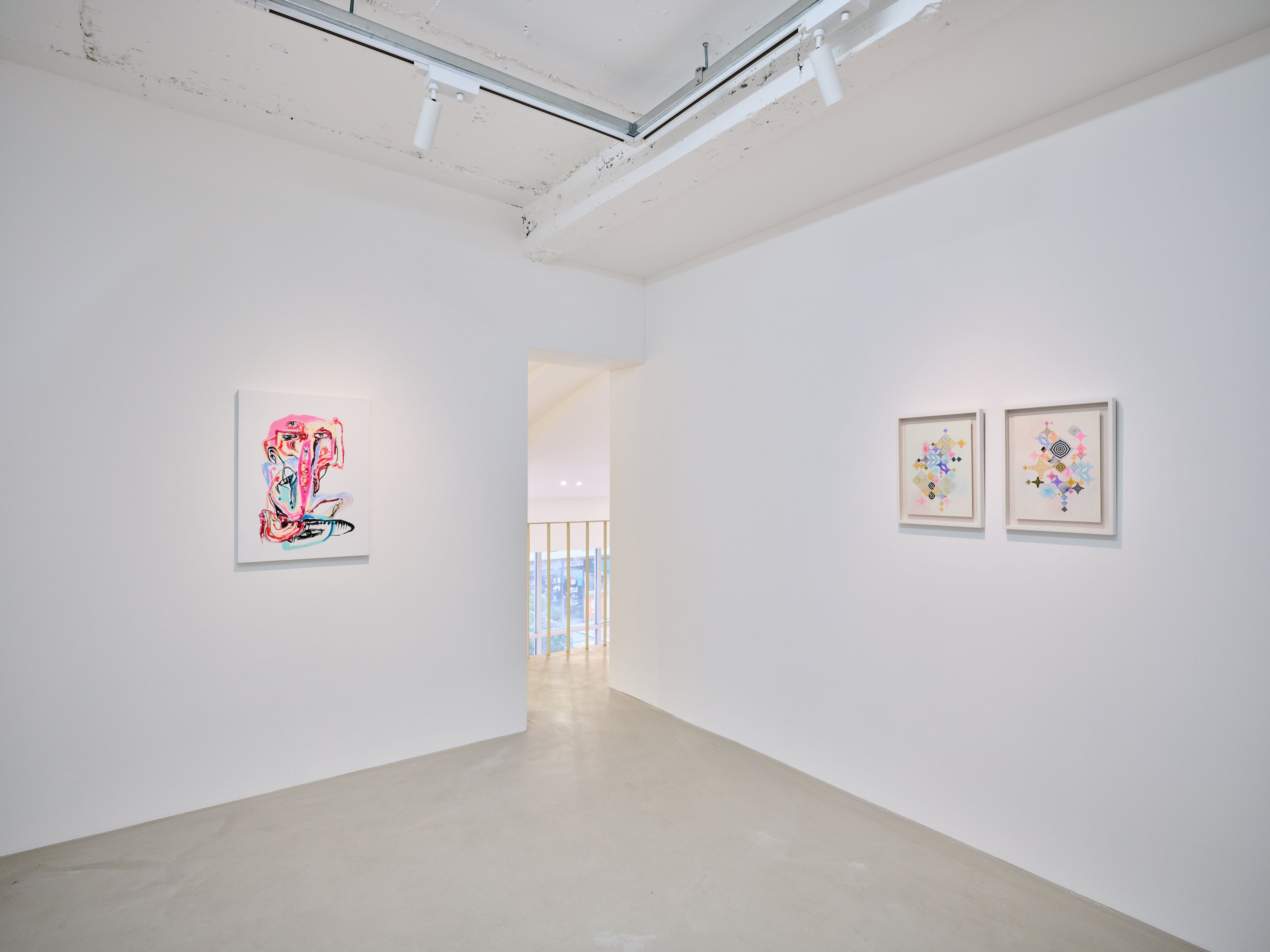
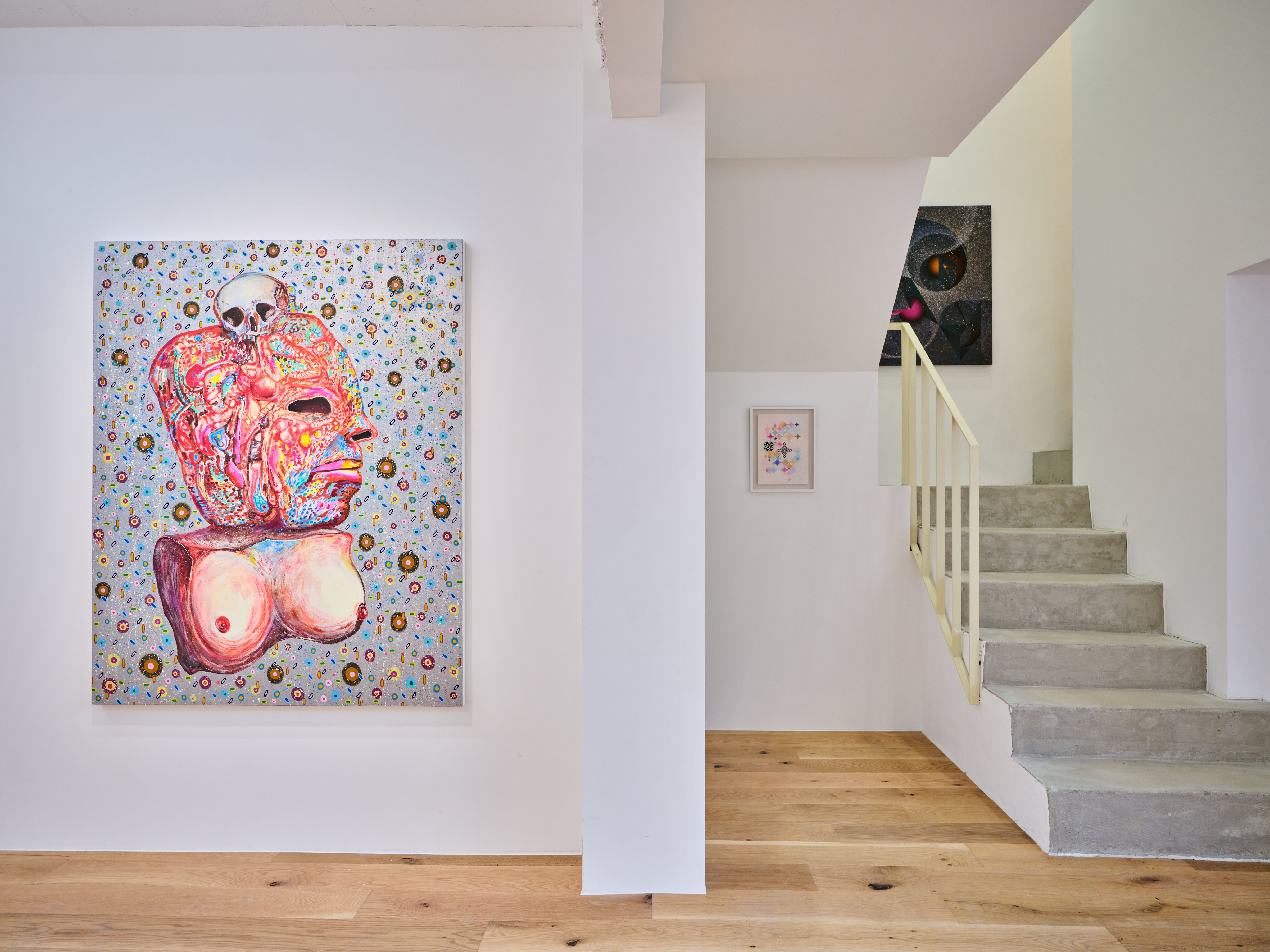
Dirty Silky Jewel brings together Jang Pa and Hyekyung Choi, each exploring excess, affect, and the expanded possibilities of ornament through distinct approaches. The show proposes ornament not as surface embellishment but as an aesthetic method capable of unsettling sensory hierarchies and structuring emotional experience.
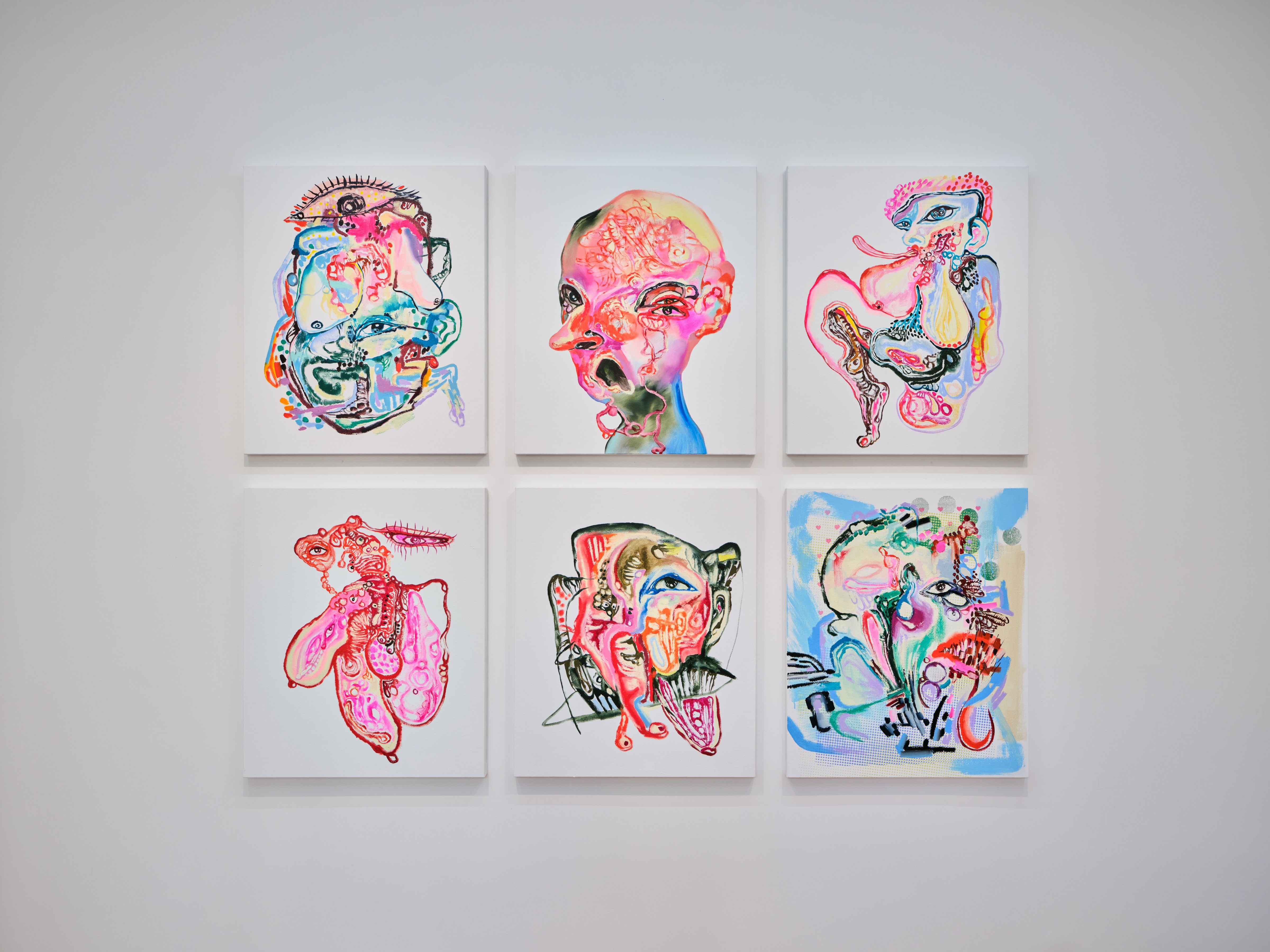
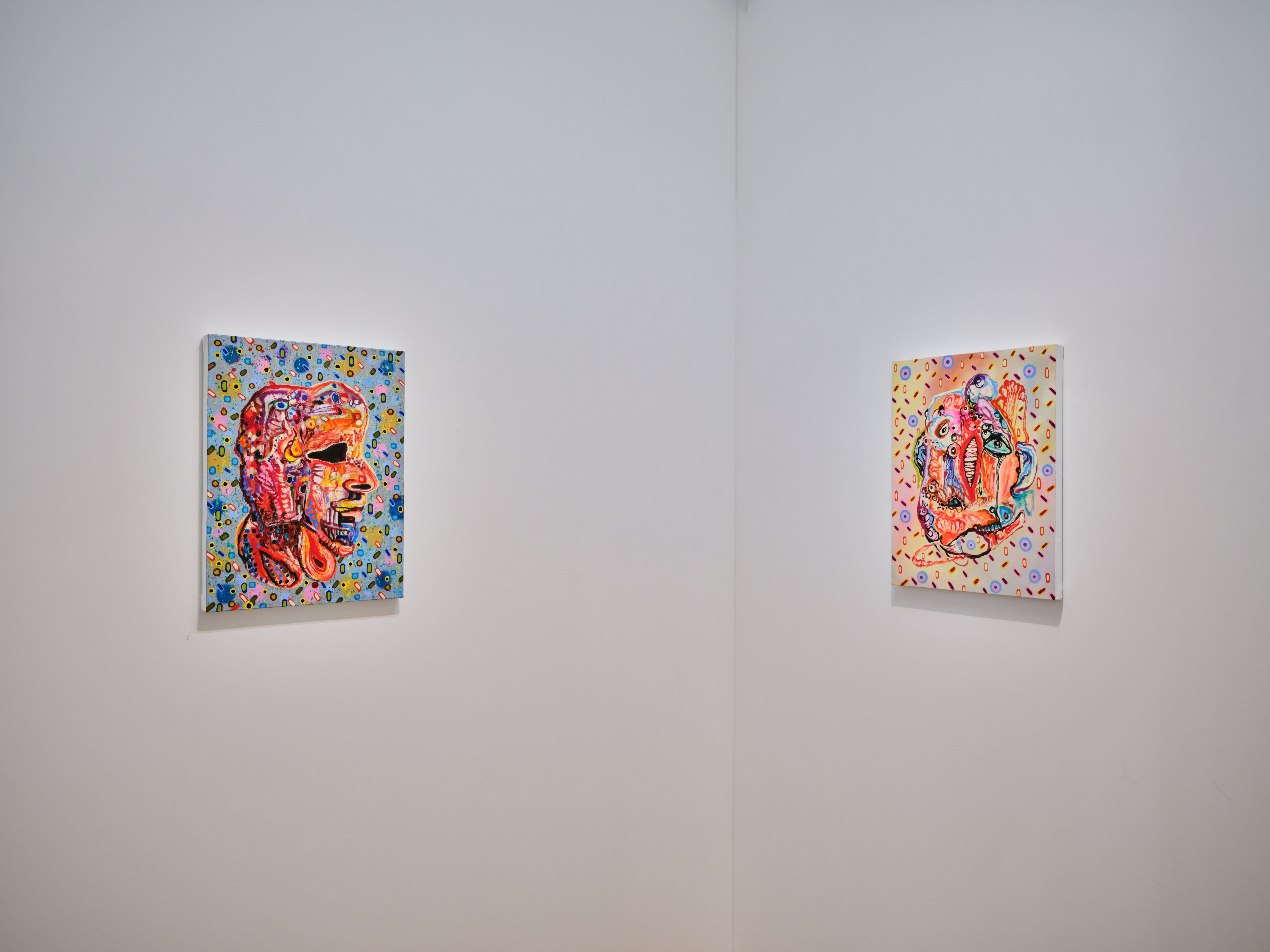
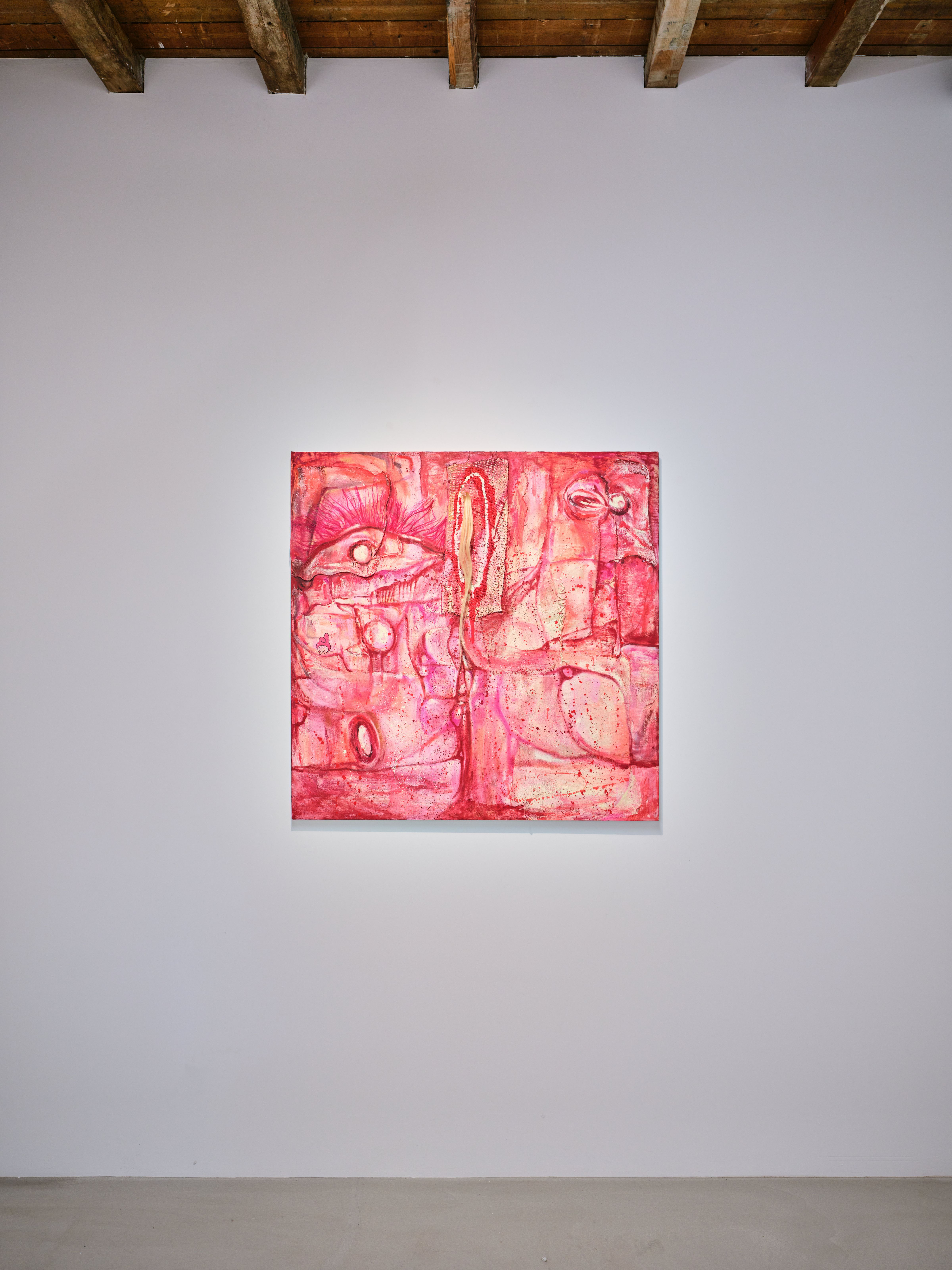
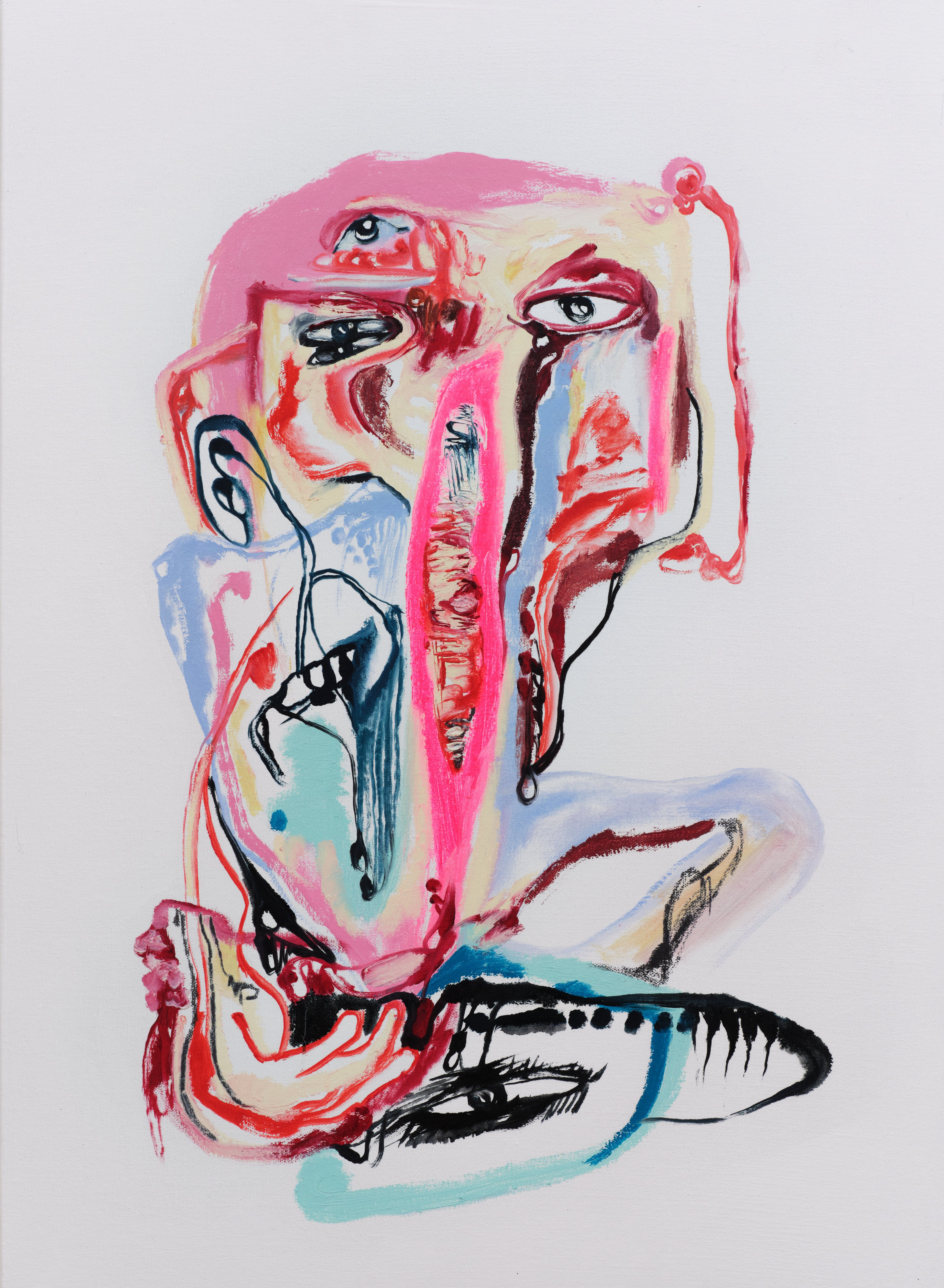
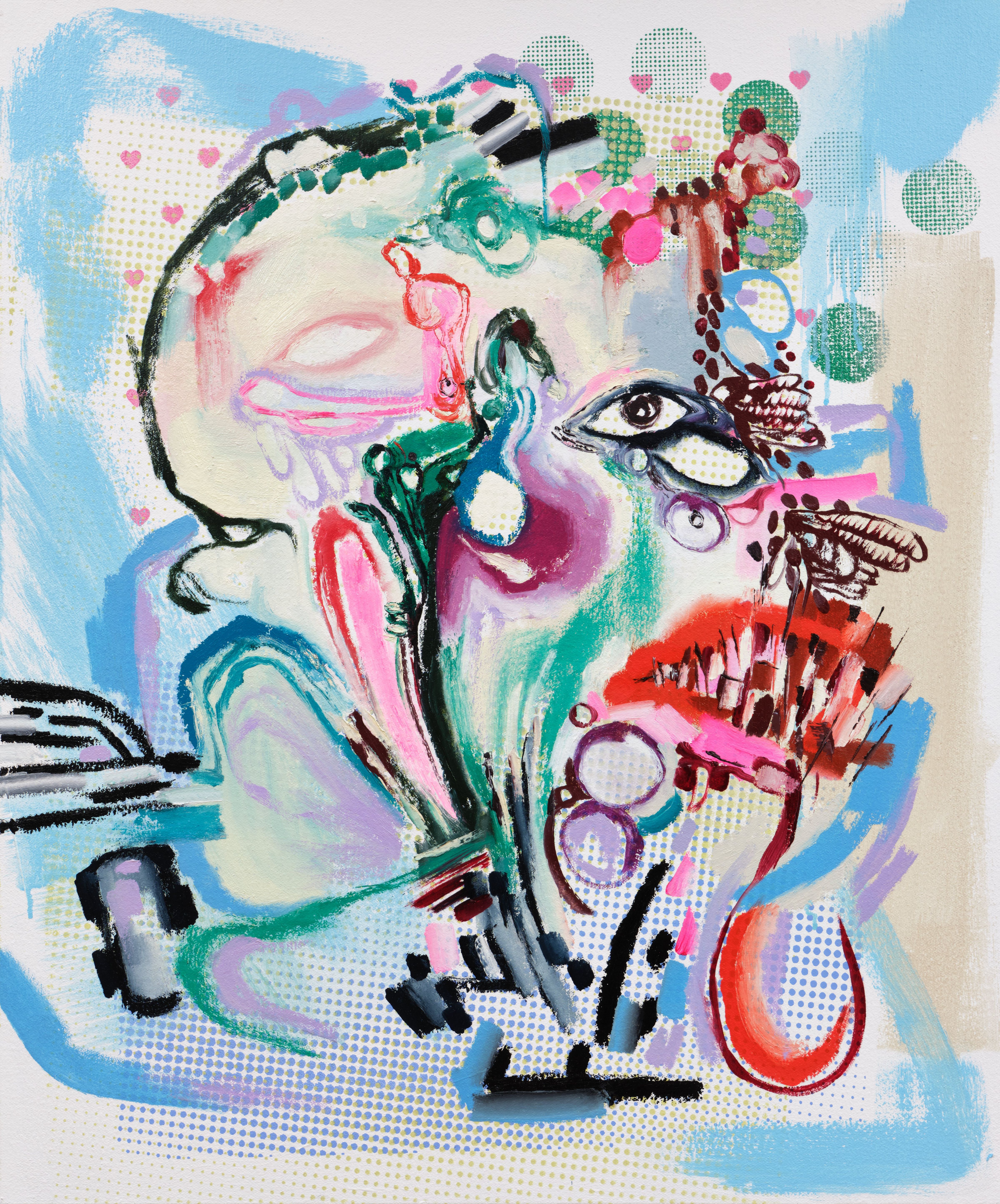
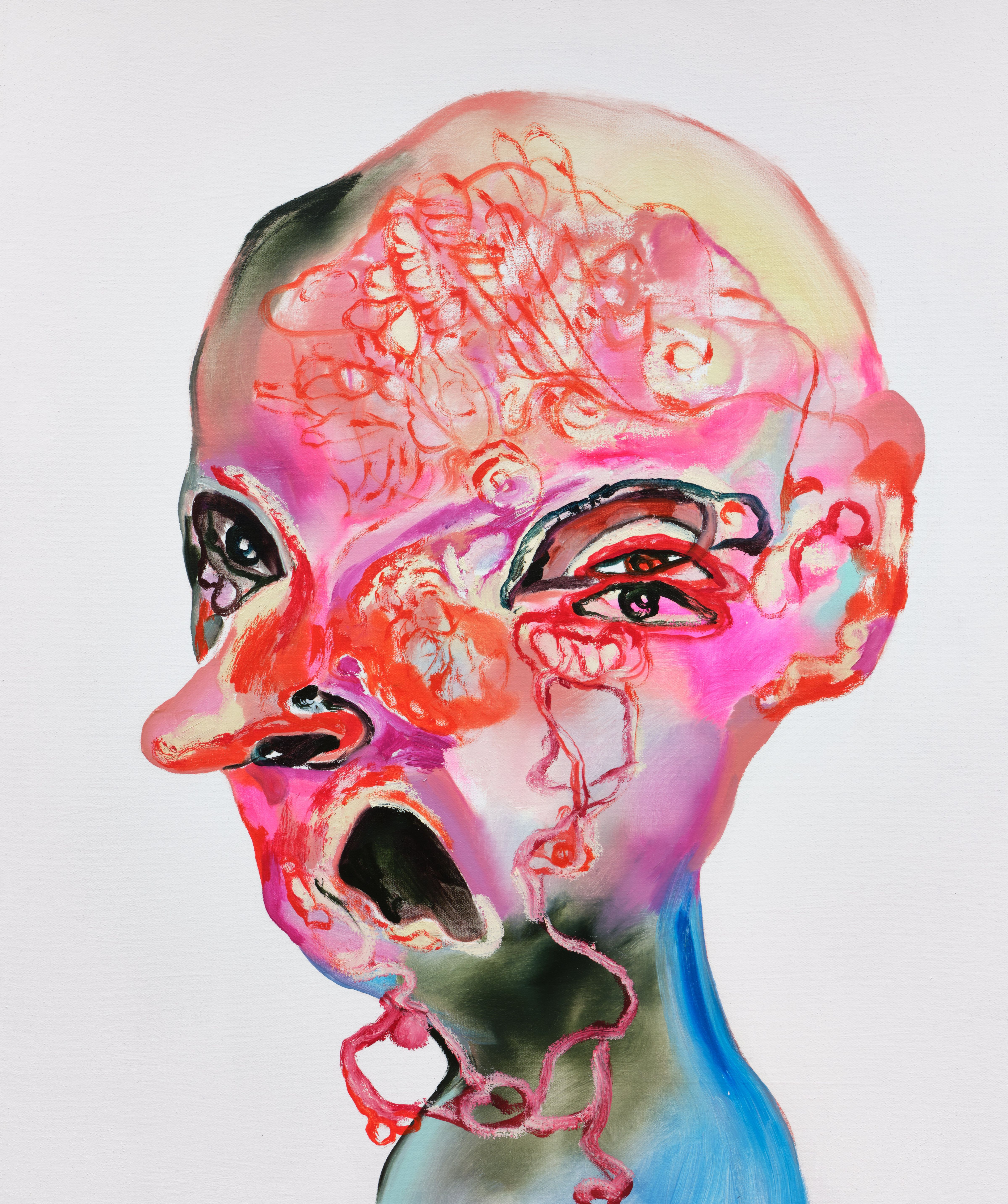
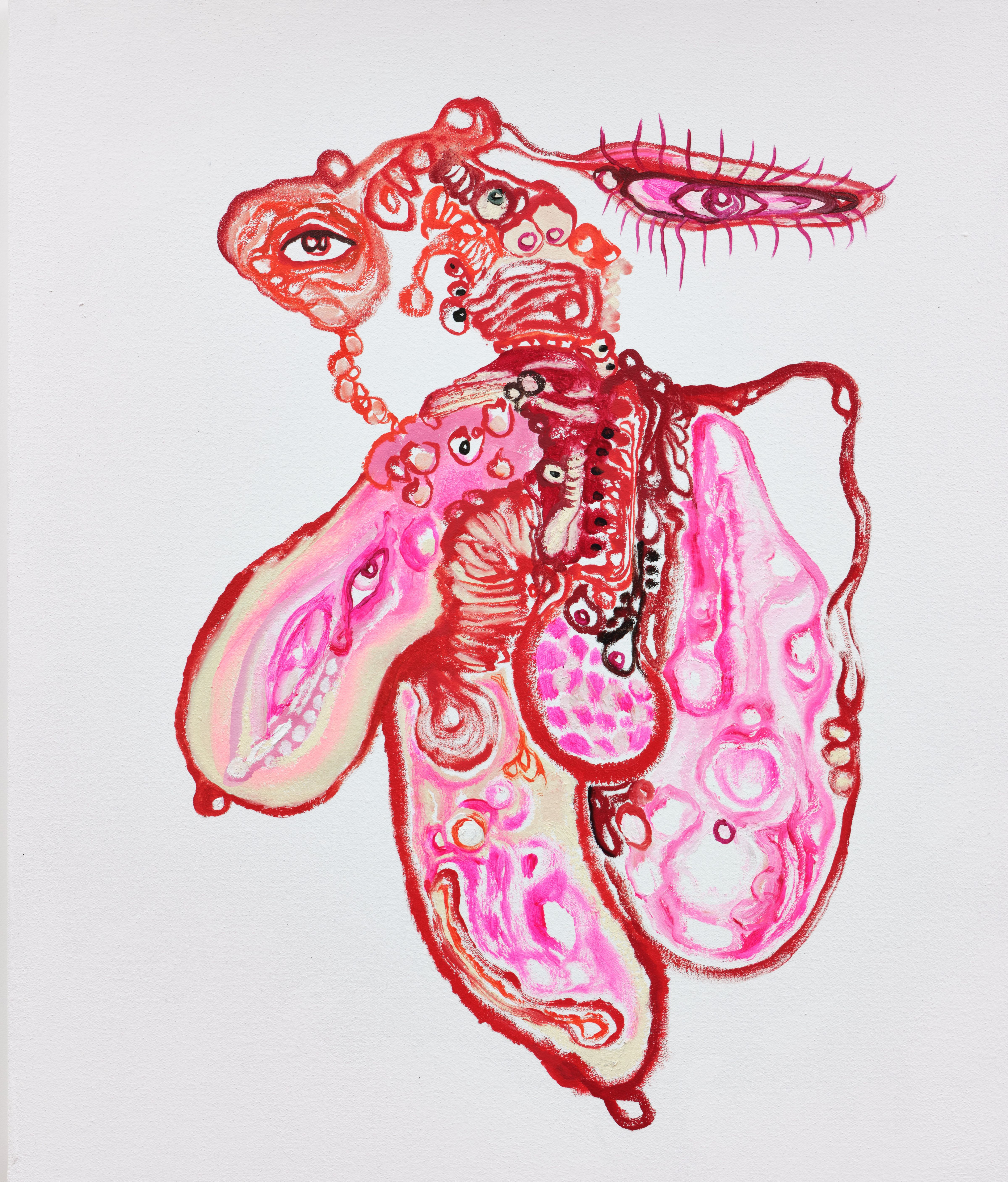
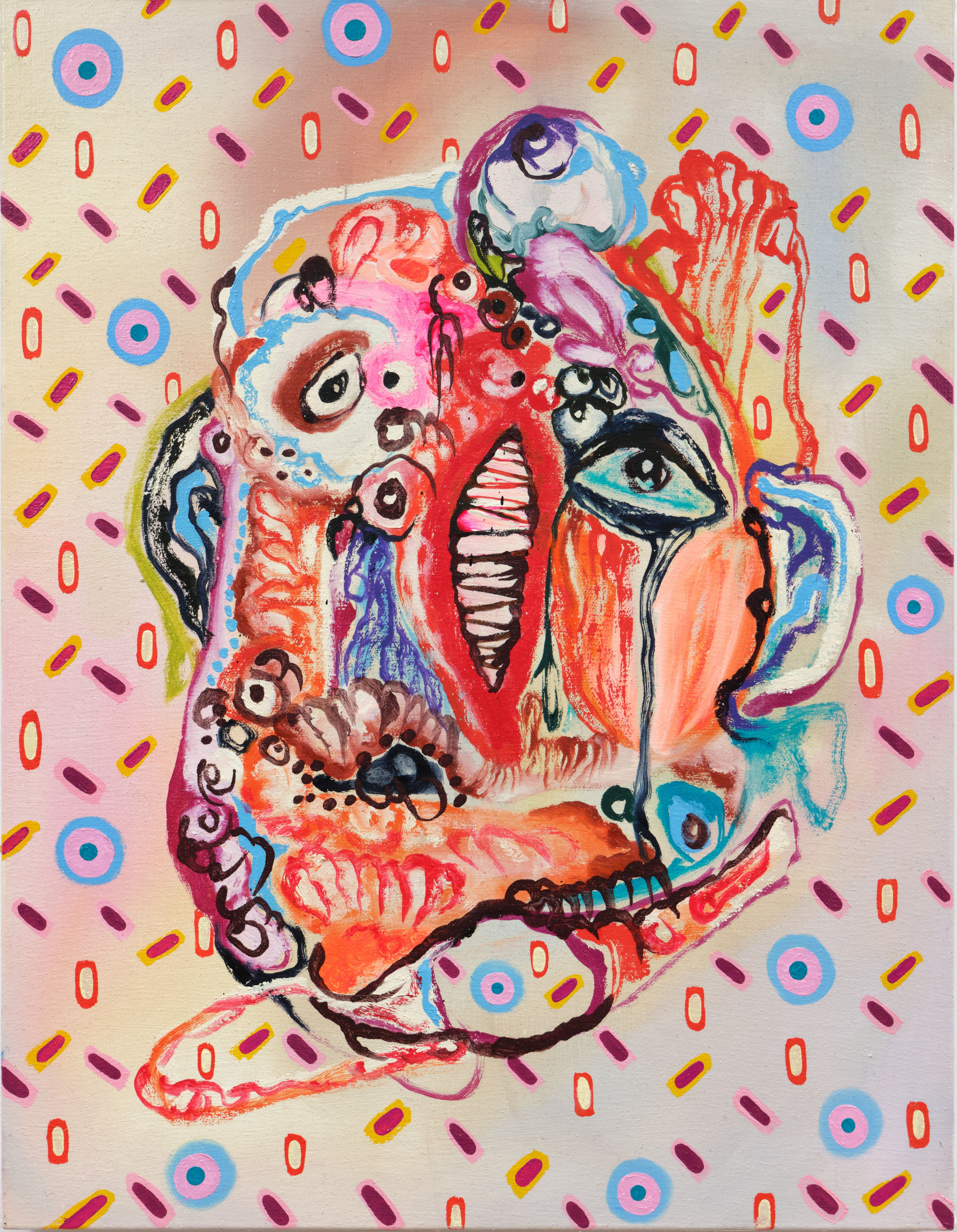
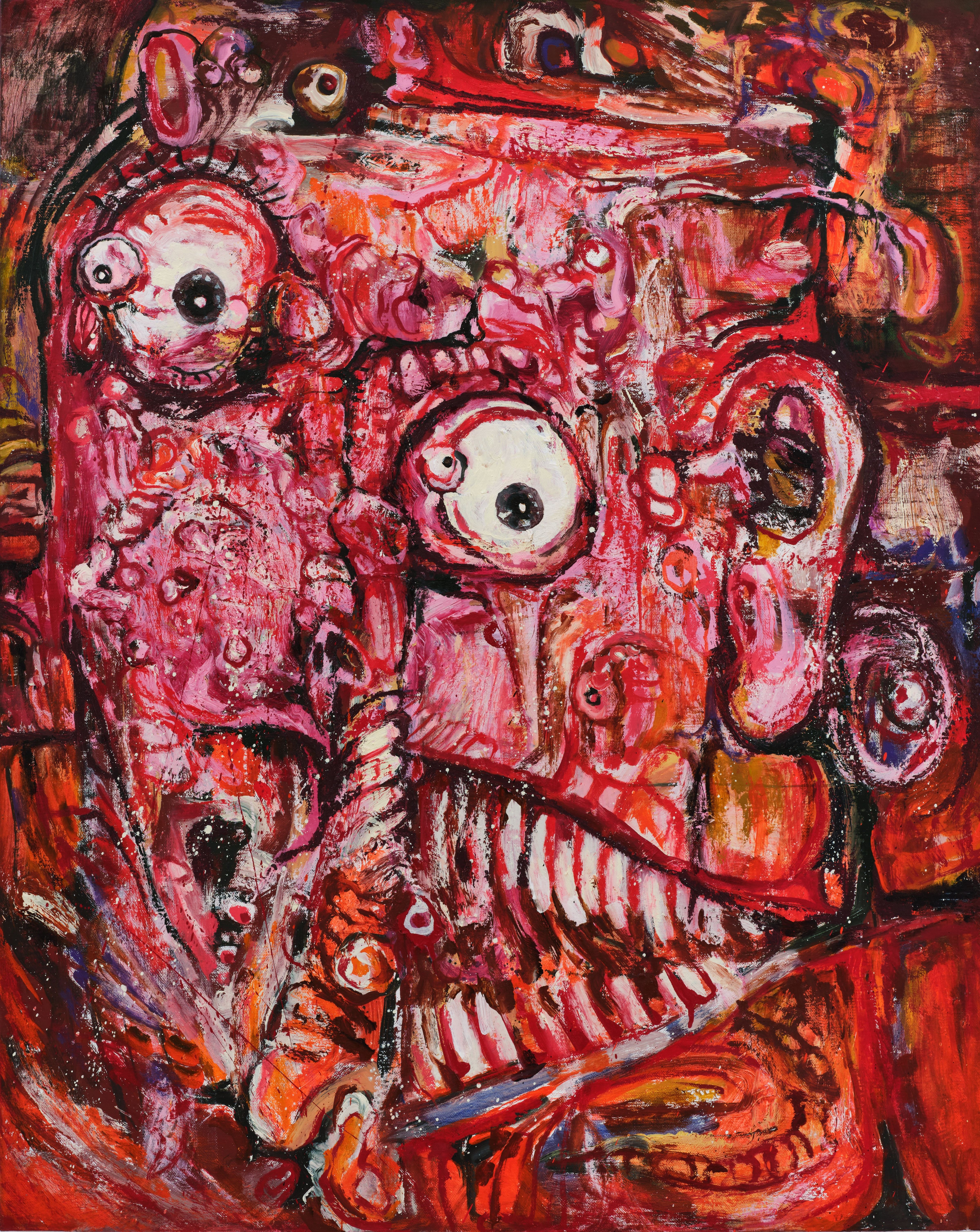
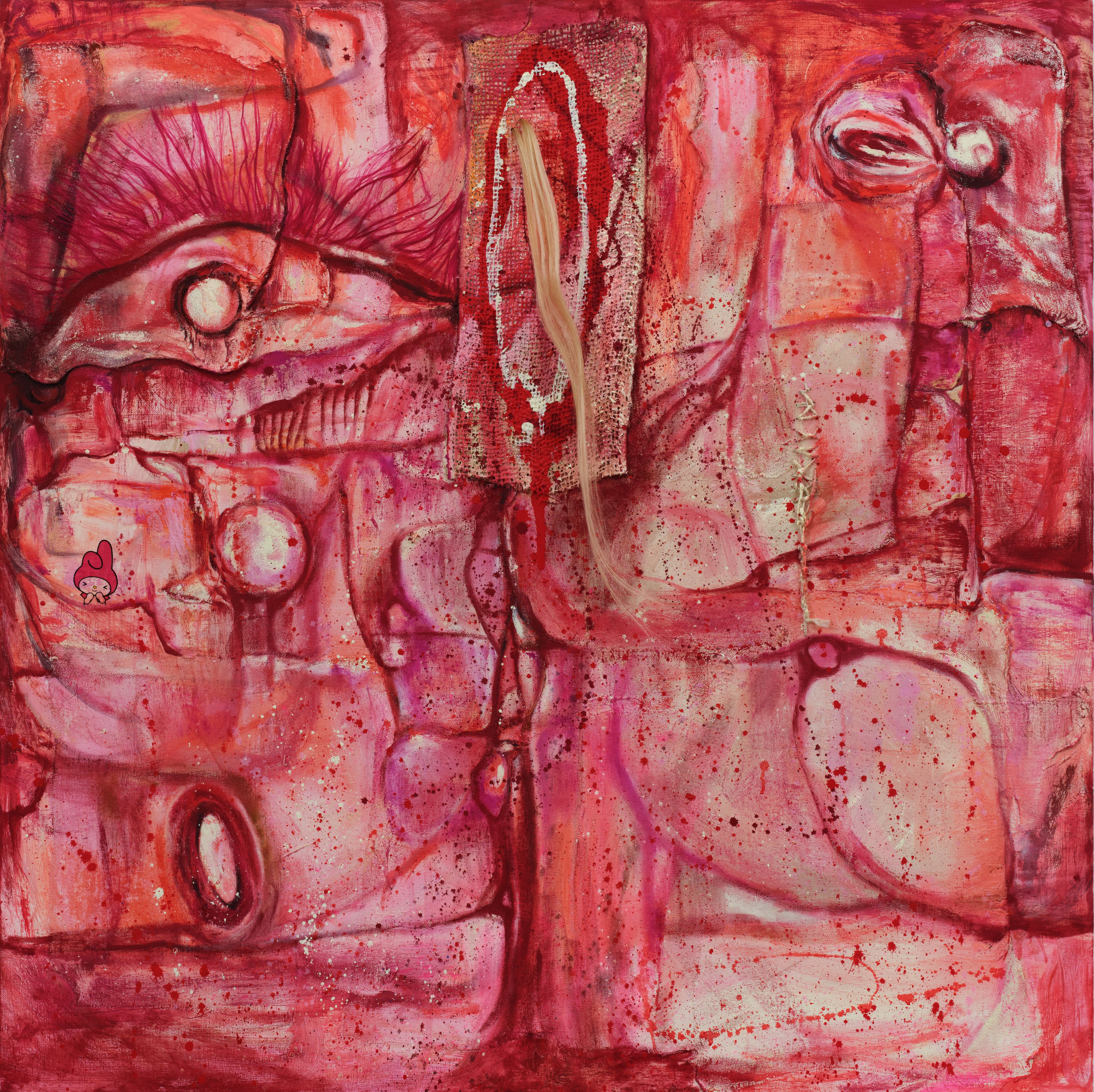
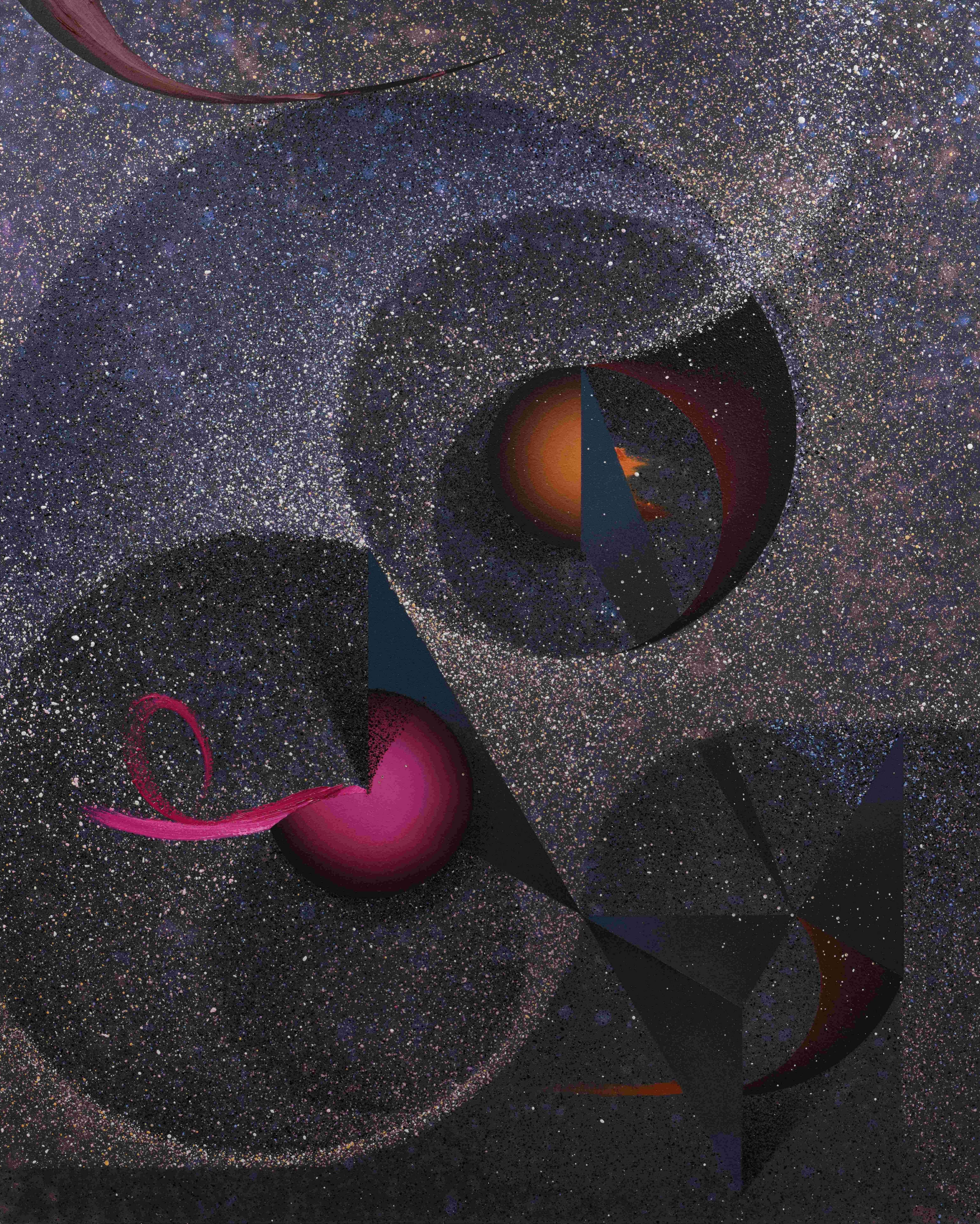
Jang Pa’s paintings center on the female body, drawing abject and grotesque elements into fields of vivid, saturated color. These figures operate far beyond simple disgust or superficial shock. Moving through ornamental excess, they settle into a dense visual field that generates its own coherence. Jang reclaims sensory registers historically dismissed as “emotional”, turning them into an active force that shapes bodily, affective, and social traces. For Jang, dirty marks the moment ornament exceeds its bounds, a subversive overflow that pulls suppressed emotion and bodily memory to the surface. As pigment asserts its thickness, viscosity, and raw chromatic force, color collisions and sticky textures evoke unease, fear and defensive recoil. Within Jang’s work, this dirty quality becomes a site where fascination and repulsion coincide, generating a tension that drives both pleasure and resistance in the viewer.
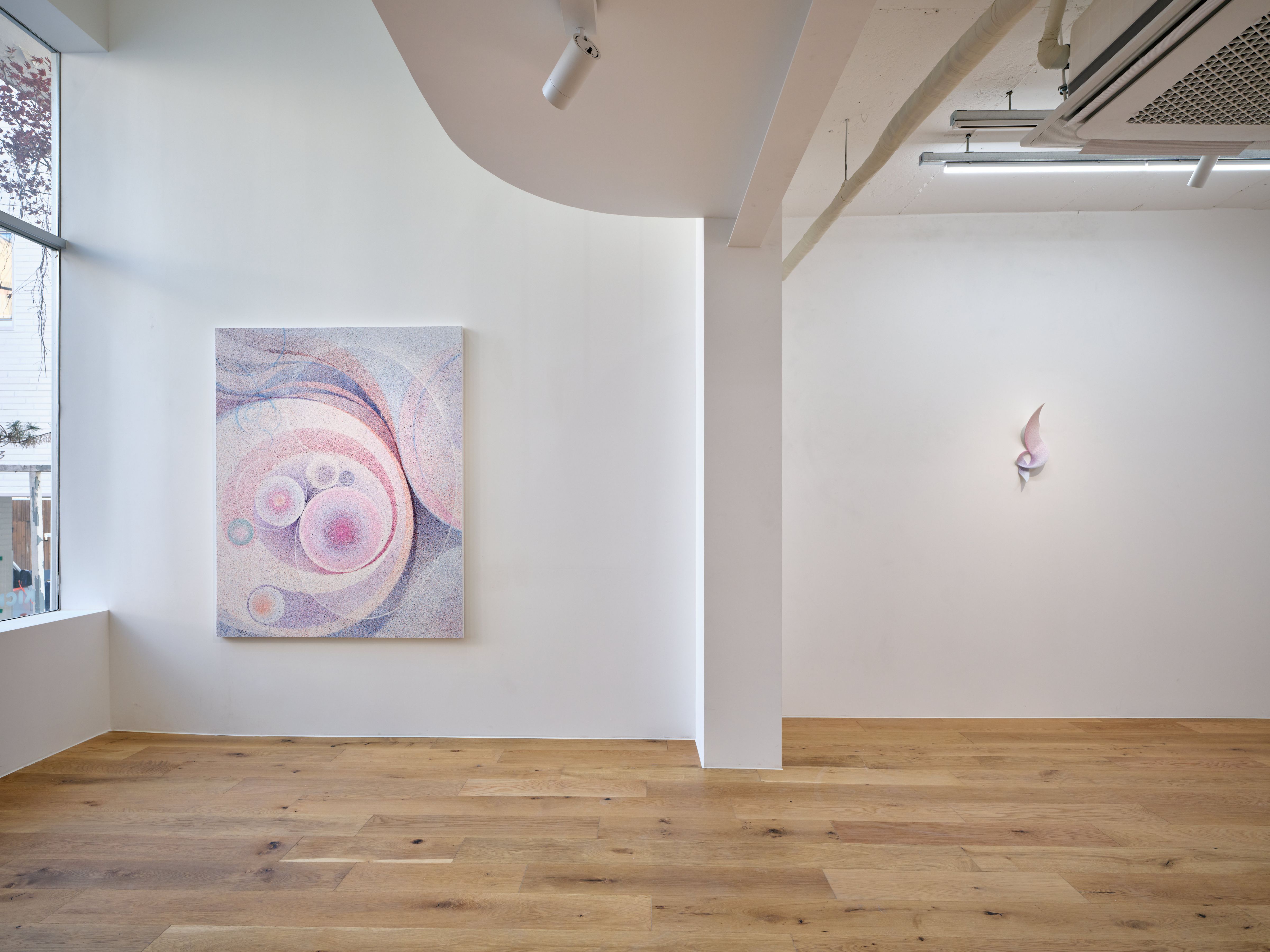
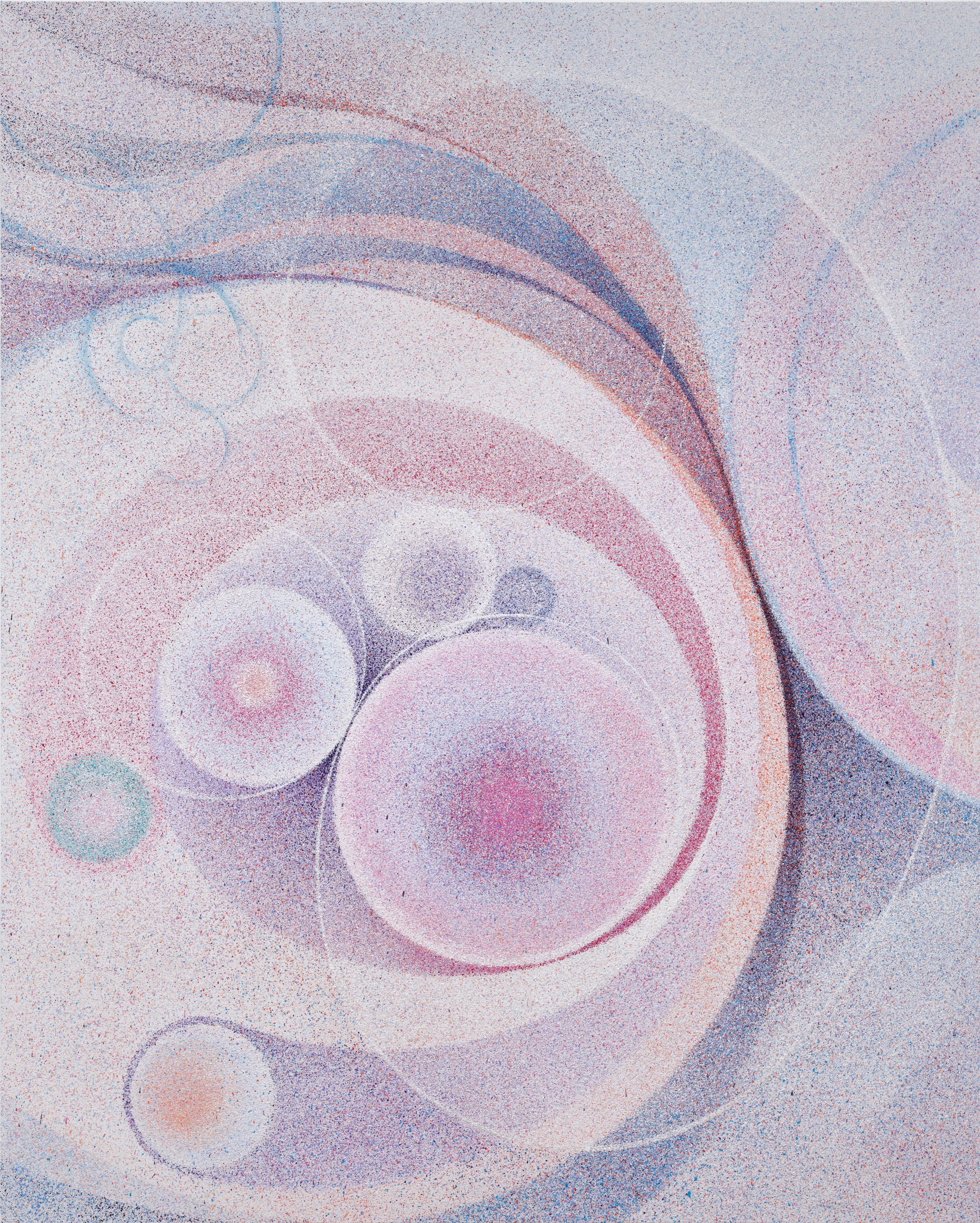
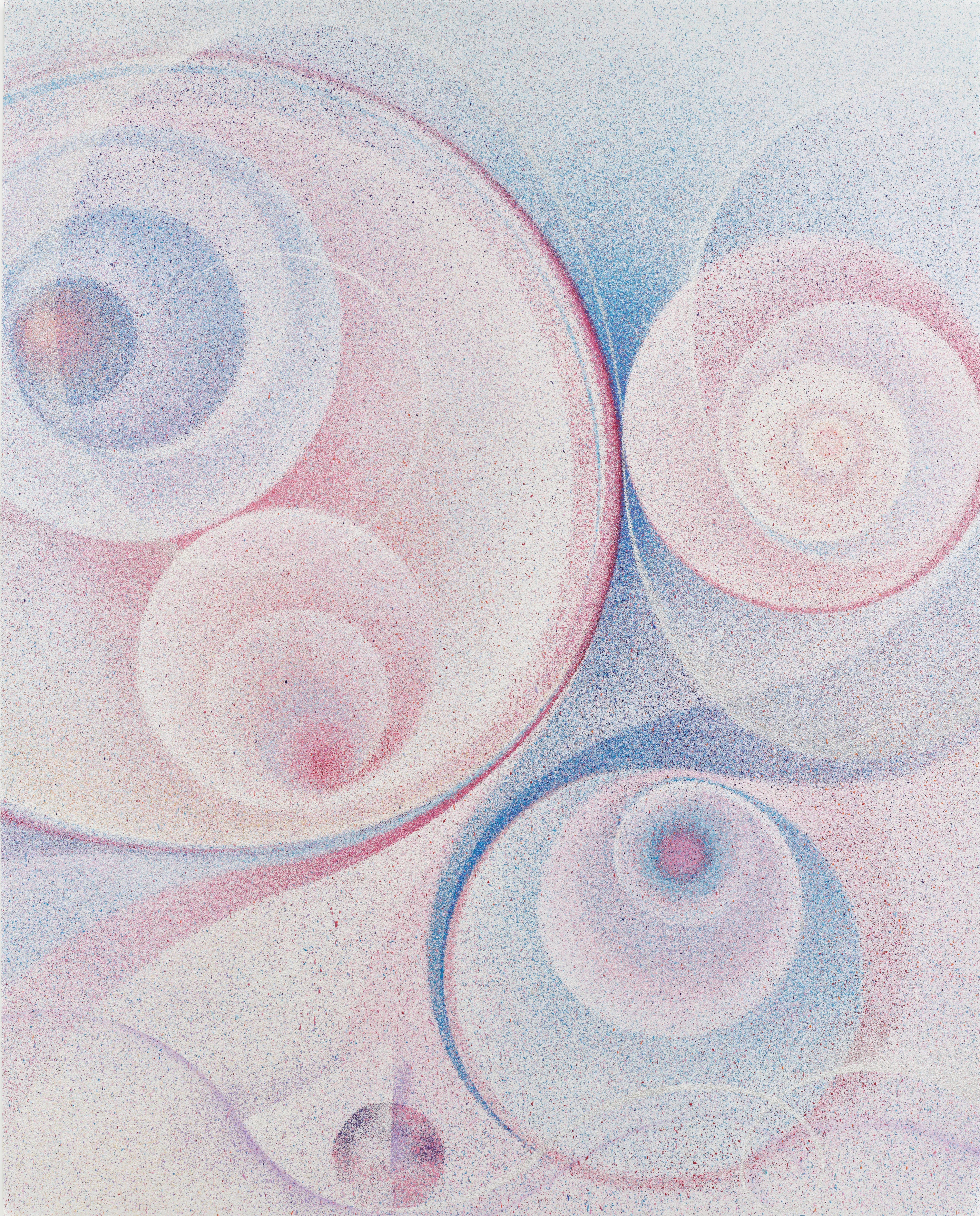
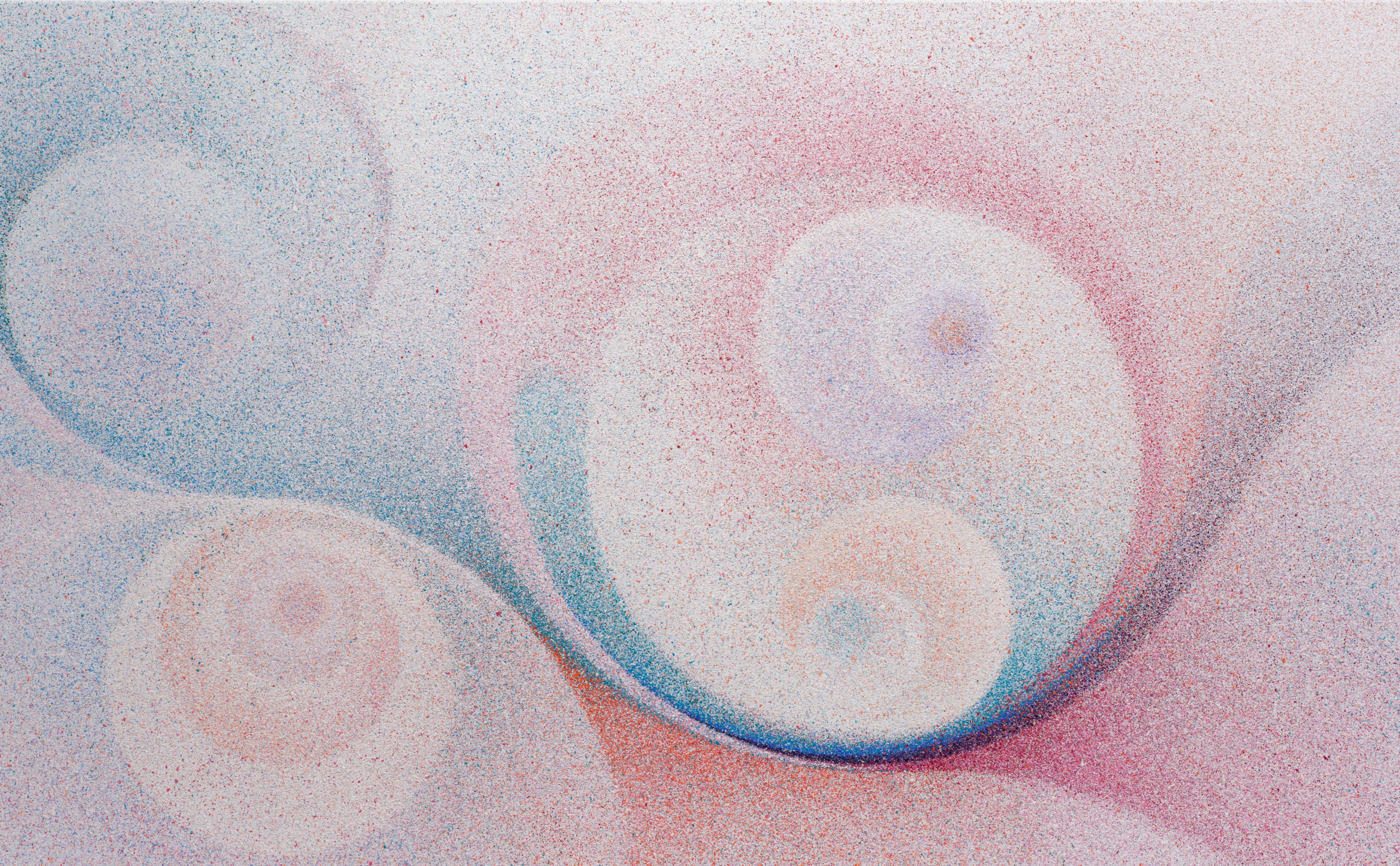
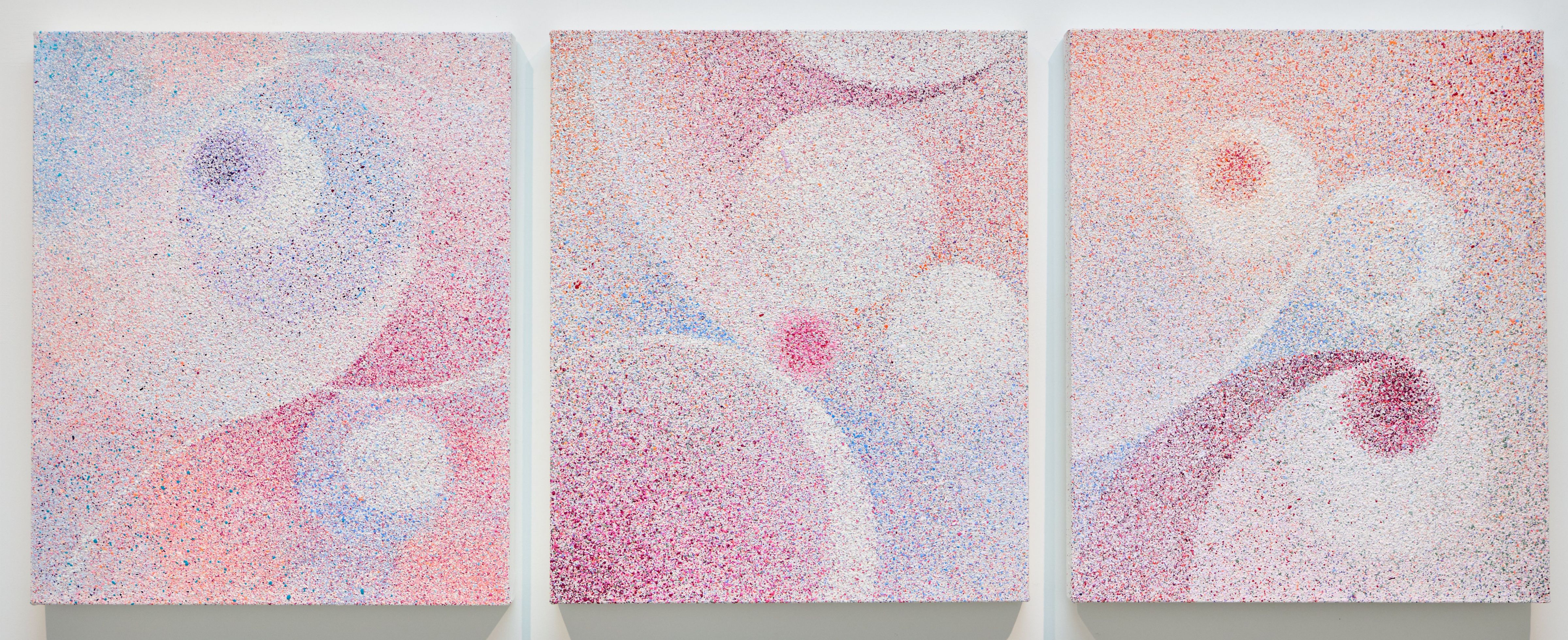
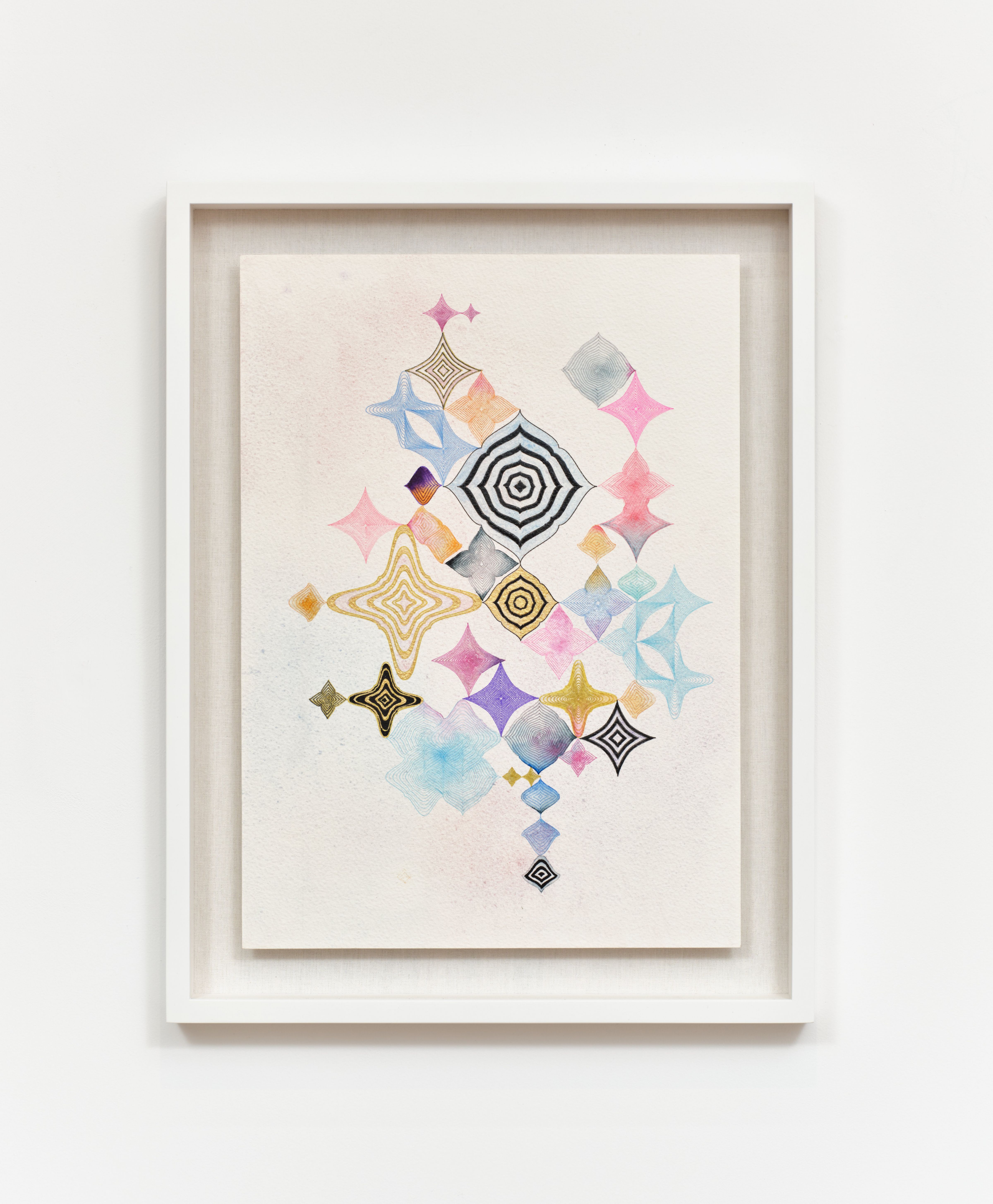
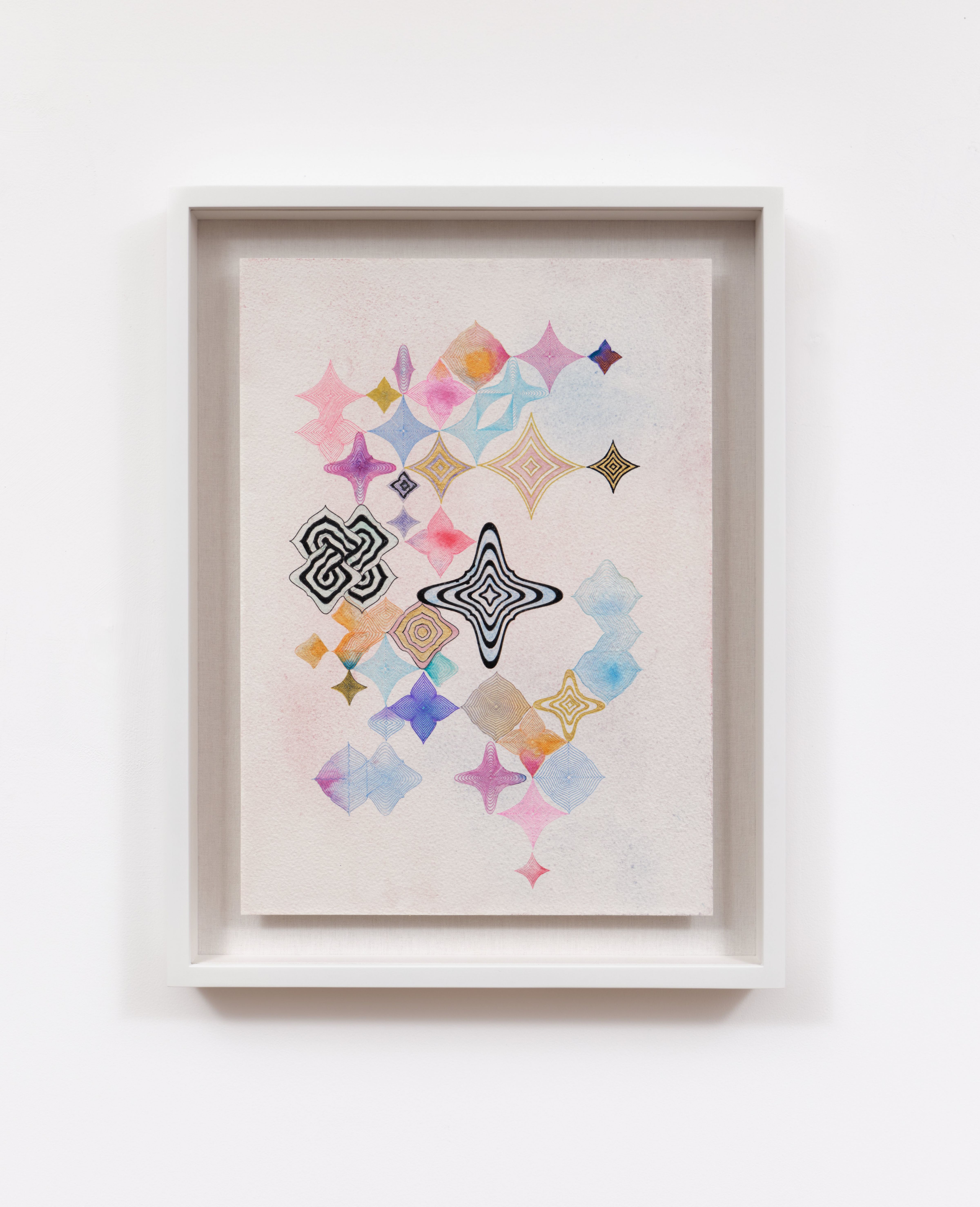
Hyekyung Choi’s work unfolds through pastel tones, drifting particles, and floating circles and curves, cultivating a diffuse, permeable sensibility that avoids a fixed center. Geometry in her paintings does not impose visual order but generates an environment through which feeling flows and lingers. Repetition and subtle variation create a rhythmic, decorative pulse across the surface, guiding perception without relying on imagery or mere surface ornament. Choi’s approach bridges geometry and ornament while foregrounding the material’s own capacity to shift, gather and evolve. For her, silky refers not to surface texture alone but to the gradual, permeating movement of color and form across surface and space, a process through which sensation shapes and animates form itself. This silky quality extends beyond visual texture. It describes a state in which color and form remain in flux, flowing like air, and a mode of perceiving in which the subject is not fixed but open, receptive to the other and the surrounding environment. Choi’s silky sustains a fluid, in-between state where matter and affect circulate, foregrounding an attentive, relational sensibility within the work’s sensory field.
Dirty Silky Jewel considers the coexistence of painting and form, corporeality and affect, violence and flow, exploring the expanded meanings and critical possibilities of ornament. Ornament here is not a peripheral aesthetic or a decorative flourish, but a critical structure linking sensation, politics, affect and form. Within Western modernist aesthetics, ornament has often been coded as feminine, trivial, or decorative, and in painting, it has been relegated to background, excess or marginal sensory detail. Dirty Silky Jewel pushes back against this history of marginalization.
Jang Pa’s paintings center on the female body, drawing abject and grotesque elements into fields of vivid, saturated color. These figures operate far beyond simple disgust or superficial shock. Moving through ornamental excess, they settle into a dense visual field that generates its own coherence. Jang reclaims sensory registers historically dismissed as “emotional”, turning them into an active force that shapes bodily, affective, and social traces. For Jang, dirty marks the moment ornament exceeds its bounds, a subversive overflow that pulls suppressed emotion and bodily memory to the surface. As pigment asserts its thickness, viscosity, and raw chromatic force, color collisions and sticky textures evoke unease, fear and defensive recoil. Within Jang’s work, this dirty quality becomes a site where fascination and repulsion coincide, generating a tension that drives both pleasure and resistance in the viewer.
Hyekyung Choi’s work unfolds through pastel tones, drifting particles, and floating circles and curves, cultivating a diffuse, permeable sensibility that avoids a fixed center. Geometry in her paintings does not impose visual order but generates an environment through which feeling flows and lingers. Repetition and subtle variation create a rhythmic, decorative pulse across the surface, guiding perception without relying on imagery or mere surface ornament. Choi’s approach bridges geometry and ornament while foregrounding the material’s own capacity to shift, gather and evolve. For her, silky refers not to surface texture alone but to the gradual, permeating movement of color and form across surface and space, a process through which sensation shapes and animates form itself. This silky quality extends beyond visual texture. It describes a state in which color and form remain in flux, flowing like air, and a mode of perceiving in which the subject is not fixed but open, receptive to the other and the surrounding environment. Choi’s silky sustains a fluid, in-between state where matter and affect circulate, foregrounding an attentive, relational sensibility within the work’s sensory field.
Dirty Silky Jewel considers the coexistence of painting and form, corporeality and affect, violence and flow, exploring the expanded meanings and critical possibilities of ornament. Ornament here is not a peripheral aesthetic or a decorative flourish, but a critical structure linking sensation, politics, affect and form. Within Western modernist aesthetics, ornament has often been coded as feminine, trivial, or decorative, and in painting, it has been relegated to background, excess or marginal sensory detail. Dirty Silky Jewel pushes back against this history of marginalization.
장파, 최혜경의 《Dirty Silky Jewel》은 ‘장식’이 꾸밈이나 표면의 미적 요소에 그치지 않고, 감각의 위계를 교란하고 정서를 조직하는 미학적 전략이 될 수 있음을 제안한다. 장파 작가의 제안, 기획으로 꾸려진 이번 전시의 중심 키워드는 ‘장식’이다. 두 작가의 작업에서 장식은 표면을 꾸미는 기술을 넘어, 감각을 분할하고 정서를 조직하며, 미적 권력을 재구성하는 감각의 정치학으로서 작동한다. 장파는 여성의 육체를 중심으로 비체적(abject) 요소와 그로테스크함을 화려하고, 강렬한 색채로 결합하고, 최혜경은 원형, 곡선의 파동과 파스텔 색조, 산란하는 입자로 감각의 깊이와 흐름을 담아낸다. 과잉의 색감, 부드러운 구조, 파편화된 육체와 감정은 더 이상 ‘효과’가 아니라, 사회적 조건과 감각의 질서를 재구성하는 수행으로 제시된다.
장파의 회화는 징그러운 자극이나 표면적 충격으로 환원되지 않는다. 화면 가득 채워진 비체 형상은 과잉된 장식성과 뒤얽혀 시각적 밀도가 촘촘한 하나의 회화 언어로 재구성된다. ‘감정적’이라는 이유로 주변화되거나 폄하되어 온 감각의 층위를 작가는 오히려 장식의 힘으로 전환하고, 신체성과 감정, 사회적 흔적을 조형적으로 구축하는 틀로 삼는다. 장식이 가장 급진적인 형태로 넘쳐 오르는 상태를 가리키는 ’더러움(dirty)’은 억압된 감정과 몸의 기억을 물질화 시켜 회화의 언어로 조직하는 전복의 전략으로 작동한다. 색채가 안료 고유의 발색과 물감의 두께・점성을 드러낼 때, 우리는 그 충돌하는 색채와 끈적이는 질감에서 불안과 두려움, 그리고 방어적 거부감을 경험한다. 장파의 회화에서 ‘더러움’은 혐오와 매혹이 교차하는 지점이자 쾌락과 저항을 동시에 일으키는 조형적 모티프로 기능한다.
최혜경은 파스텔 색조, 산란하는 입자감, 부유하는 원형과 곡선으로 비중심과 침윤(浸潤)의 감각을 담아낸다. 그녀의 작업에서 한 중심 축을 담당하는 기하학은 시각적 질서보다 감정이 흐르고 머무는 감각적 환경을 형성하며, 형태의 반복과 변주로 화면에 장식적 리듬을 부여한다. 기하학과 장식성을 아우르는 최혜경의 조형 언어는 개인 감정이나 서사보다 스스로 증식하고 변화하는 물질의 생명력에 주목한다. ‘부드러움(silky)’은 이 생명력이 회화 표면과 공간을 따라 퍼지고 스며드는 과정, 즉 감각이 형태를 빚어내는 방식 자체를 가리킨다. 또한 부드러움은 확정되지 않은 색감과 형태가 점차 변화하며 공기처럼 흐르고 스며드는 감각의 상태를 지시한다. 이는 주체가 확립되기 전에 스스로를 중심화하지 않고, 오히려 그 경계를 흐리며 타자, 외부 세계와의 관계를 감각하고 수용하려는 태도를 포함한다. 이러한 감각 속에서 최혜경의 ‘silky’는 정서와 물질이 유동하는 경계의 상태를 유지하며, 회화와 공간 속에서 감각적 환경을 구축하는 힘으로 확장된다.
《Dirty Silky Jewel》은 회화와 조형, 육체성과 정서성, 폭력과 침윤이라는 이질적 감각의 공존으로 오늘날 장식의 확장된 의미와 그 비평적 가능성을 모색한다. 그런 점에서 장식은 감각과 정치, 정서와 구조를 잇는 하나의 비평적 구조로 제시된다. 서구 근대 미학 체계 안에서 흔히 ‘여성적’, ‘사소한 것’, ‘비본질적’, ‘기능 외적’으로 간주되어 온 ‘장식’은 회화에서도 배경에 그치거나 부차의 것, 혹은 과잉된 감각으로 타자화 되어 왔다. 장식의 폄하된 역사와 위계에 이 전시는 저항한다.
장파의 회화는 징그러운 자극이나 표면적 충격으로 환원되지 않는다. 화면 가득 채워진 비체 형상은 과잉된 장식성과 뒤얽혀 시각적 밀도가 촘촘한 하나의 회화 언어로 재구성된다. ‘감정적’이라는 이유로 주변화되거나 폄하되어 온 감각의 층위를 작가는 오히려 장식의 힘으로 전환하고, 신체성과 감정, 사회적 흔적을 조형적으로 구축하는 틀로 삼는다. 장식이 가장 급진적인 형태로 넘쳐 오르는 상태를 가리키는 ’더러움(dirty)’은 억압된 감정과 몸의 기억을 물질화 시켜 회화의 언어로 조직하는 전복의 전략으로 작동한다. 색채가 안료 고유의 발색과 물감의 두께・점성을 드러낼 때, 우리는 그 충돌하는 색채와 끈적이는 질감에서 불안과 두려움, 그리고 방어적 거부감을 경험한다. 장파의 회화에서 ‘더러움’은 혐오와 매혹이 교차하는 지점이자 쾌락과 저항을 동시에 일으키는 조형적 모티프로 기능한다.
최혜경은 파스텔 색조, 산란하는 입자감, 부유하는 원형과 곡선으로 비중심과 침윤(浸潤)의 감각을 담아낸다. 그녀의 작업에서 한 중심 축을 담당하는 기하학은 시각적 질서보다 감정이 흐르고 머무는 감각적 환경을 형성하며, 형태의 반복과 변주로 화면에 장식적 리듬을 부여한다. 기하학과 장식성을 아우르는 최혜경의 조형 언어는 개인 감정이나 서사보다 스스로 증식하고 변화하는 물질의 생명력에 주목한다. ‘부드러움(silky)’은 이 생명력이 회화 표면과 공간을 따라 퍼지고 스며드는 과정, 즉 감각이 형태를 빚어내는 방식 자체를 가리킨다. 또한 부드러움은 확정되지 않은 색감과 형태가 점차 변화하며 공기처럼 흐르고 스며드는 감각의 상태를 지시한다. 이는 주체가 확립되기 전에 스스로를 중심화하지 않고, 오히려 그 경계를 흐리며 타자, 외부 세계와의 관계를 감각하고 수용하려는 태도를 포함한다. 이러한 감각 속에서 최혜경의 ‘silky’는 정서와 물질이 유동하는 경계의 상태를 유지하며, 회화와 공간 속에서 감각적 환경을 구축하는 힘으로 확장된다.
《Dirty Silky Jewel》은 회화와 조형, 육체성과 정서성, 폭력과 침윤이라는 이질적 감각의 공존으로 오늘날 장식의 확장된 의미와 그 비평적 가능성을 모색한다. 그런 점에서 장식은 감각과 정치, 정서와 구조를 잇는 하나의 비평적 구조로 제시된다. 서구 근대 미학 체계 안에서 흔히 ‘여성적’, ‘사소한 것’, ‘비본질적’, ‘기능 외적’으로 간주되어 온 ‘장식’은 회화에서도 배경에 그치거나 부차의 것, 혹은 과잉된 감각으로 타자화 되어 왔다. 장식의 폄하된 역사와 위계에 이 전시는 저항한다.
CV
Jang Pa(b.1981) received her degrees in Western Painting and Aesthetics from Seoul National University, and later earned her MFA in Western Painting from the same institution. She has held major solo exhibitions at Incheon Art Platform (2020), SOMA Museum of Art (2016), Doosan Gallery (2018), and OCI Museum of Art (2011). She has also participated in numerous group exhibitions at institutions including the National Museum of Modern and Contemporary Art, Korea (2024), Buk-Seoul Museum of Art (2024), Arko Art Center (2023), and the Seoul Museum of Art (2015). Her works are held in the collections of the National Museum of Modern and Contemporary Art, Korea’s Art Bank, the Seoul Museum of Art, and the Seoul National University Museum of Art.
장파(b.1981)는 서울대학교 서양화과와 미학과를 졸업하고, 동 대학원 서양화과에서 석사 학위를 받았다. 주요 개인전으로는 인천아트플랫폼(2020), 소마미술관(2016), 두산갤러리(2018), OCI미술관(2011) 등이 있으며, 국립현대미술관(2024), 서울시립 북서울미술관(2024), 아르코미술관(2023), 서울시립미술관(2015) 등에서 다수의 그룹전에 참여하였다. 작품은 국립현대미술관 미술은행, 서울시립미술관, 서울대학교 미술관 등에 소장되어 있다.
Jang Pa(b.1981) received her degrees in Western Painting and Aesthetics from Seoul National University, and later earned her MFA in Western Painting from the same institution. She has held major solo exhibitions at Incheon Art Platform (2020), SOMA Museum of Art (2016), Doosan Gallery (2018), and OCI Museum of Art (2011). She has also participated in numerous group exhibitions at institutions including the National Museum of Modern and Contemporary Art, Korea (2024), Buk-Seoul Museum of Art (2024), Arko Art Center (2023), and the Seoul Museum of Art (2015). Her works are held in the collections of the National Museum of Modern and Contemporary Art, Korea’s Art Bank, the Seoul Museum of Art, and the Seoul National University Museum of Art.
장파(b.1981)는 서울대학교 서양화과와 미학과를 졸업하고, 동 대학원 서양화과에서 석사 학위를 받았다. 주요 개인전으로는 인천아트플랫폼(2020), 소마미술관(2016), 두산갤러리(2018), OCI미술관(2011) 등이 있으며, 국립현대미술관(2024), 서울시립 북서울미술관(2024), 아르코미술관(2023), 서울시립미술관(2015) 등에서 다수의 그룹전에 참여하였다. 작품은 국립현대미술관 미술은행, 서울시립미술관, 서울대학교 미술관 등에 소장되어 있다.
CV
Hyekyung Choi(b.1983) received her B.F.A. in Western Painting from Seoul National University and completed the Course of Graduate School in Western Painting at the same institution. She has held solo exhibitions including all_timespace (2025), GalleryMEME (2025), ArtPlug Yeonsu (2024), Project Space Yeongdeungpo (2020), and Cheongju Art Studio (2018). She has participated in numerous group exhibitions such as SOMA Museum of Art (2025), Yongin Poeun Art Gallery (2025), Daejeon Artist’s House (2024), all_timespace (2023), and Goyang Aram Nuri Arts Center (2019). She was an artist-in-residence at Cheongju Art Studio in 2018. Her works are held in the collections of the Gyeonggi Cultural Foundation.
최혜경(b.1983)은 서울대학교 미술대학 서양화과를 졸업하고, 동 대학원 서양화과를 수료했다. 개인전 전시공간(2025), 갤러리밈(2025), 아트플러그연수(2024), 프로젝트스페이스영등포(2020), 청주미술창작스튜디오 (2018)에서 열었으며, 소마미술관(2025), 용인포은아트갤러리(2025), 대전예술가의집(2024), 전시공간(2023), 고양아람누리미술관(2019) 등에서 다수의 그룹전에 참여하였다. 2018년 청주미술창작스튜디오에 입주하였다. 작품은 경기문화재단 등에 소장되어 있다.
Hyekyung Choi(b.1983) received her B.F.A. in Western Painting from Seoul National University and completed the Course of Graduate School in Western Painting at the same institution. She has held solo exhibitions including all_timespace (2025), GalleryMEME (2025), ArtPlug Yeonsu (2024), Project Space Yeongdeungpo (2020), and Cheongju Art Studio (2018). She has participated in numerous group exhibitions such as SOMA Museum of Art (2025), Yongin Poeun Art Gallery (2025), Daejeon Artist’s House (2024), all_timespace (2023), and Goyang Aram Nuri Arts Center (2019). She was an artist-in-residence at Cheongju Art Studio in 2018. Her works are held in the collections of the Gyeonggi Cultural Foundation.
최혜경(b.1983)은 서울대학교 미술대학 서양화과를 졸업하고, 동 대학원 서양화과를 수료했다. 개인전 전시공간(2025), 갤러리밈(2025), 아트플러그연수(2024), 프로젝트스페이스영등포(2020), 청주미술창작스튜디오 (2018)에서 열었으며, 소마미술관(2025), 용인포은아트갤러리(2025), 대전예술가의집(2024), 전시공간(2023), 고양아람누리미술관(2019) 등에서 다수의 그룹전에 참여하였다. 2018년 청주미술창작스튜디오에 입주하였다. 작품은 경기문화재단 등에 소장되어 있다.