2026.1.30 – 2.28
남석우 Nam Seokwoo
이시현 Lee Sihyeon
Ping* is an empty signal. Carrying no meaning, it is an a priori tapping that tests whether a relation can be established at all. Opening its 2026 program, Gallery Kiche presents Ping, a two-person exhibition by Seokwoo Nam and Sihyeon Lee. Instead of positioning painting as a means of statement or assertion, the exhibition approaches it as an act that sounds out how a relation to the world might remain open. What ping evokes is not the production of meaning, but a way of working that takes uncertainty itself as a condition, where meaning may or may not arise.
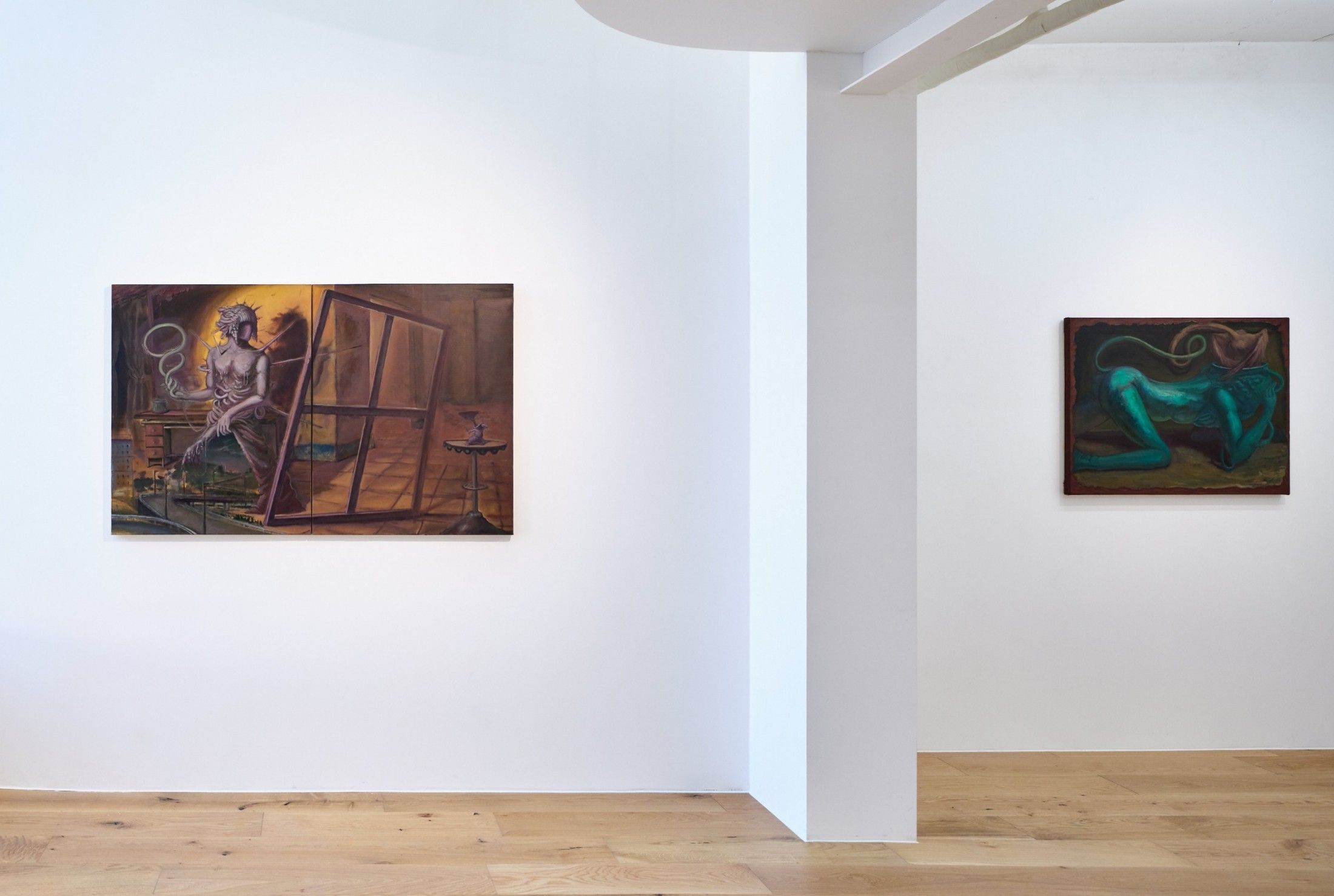
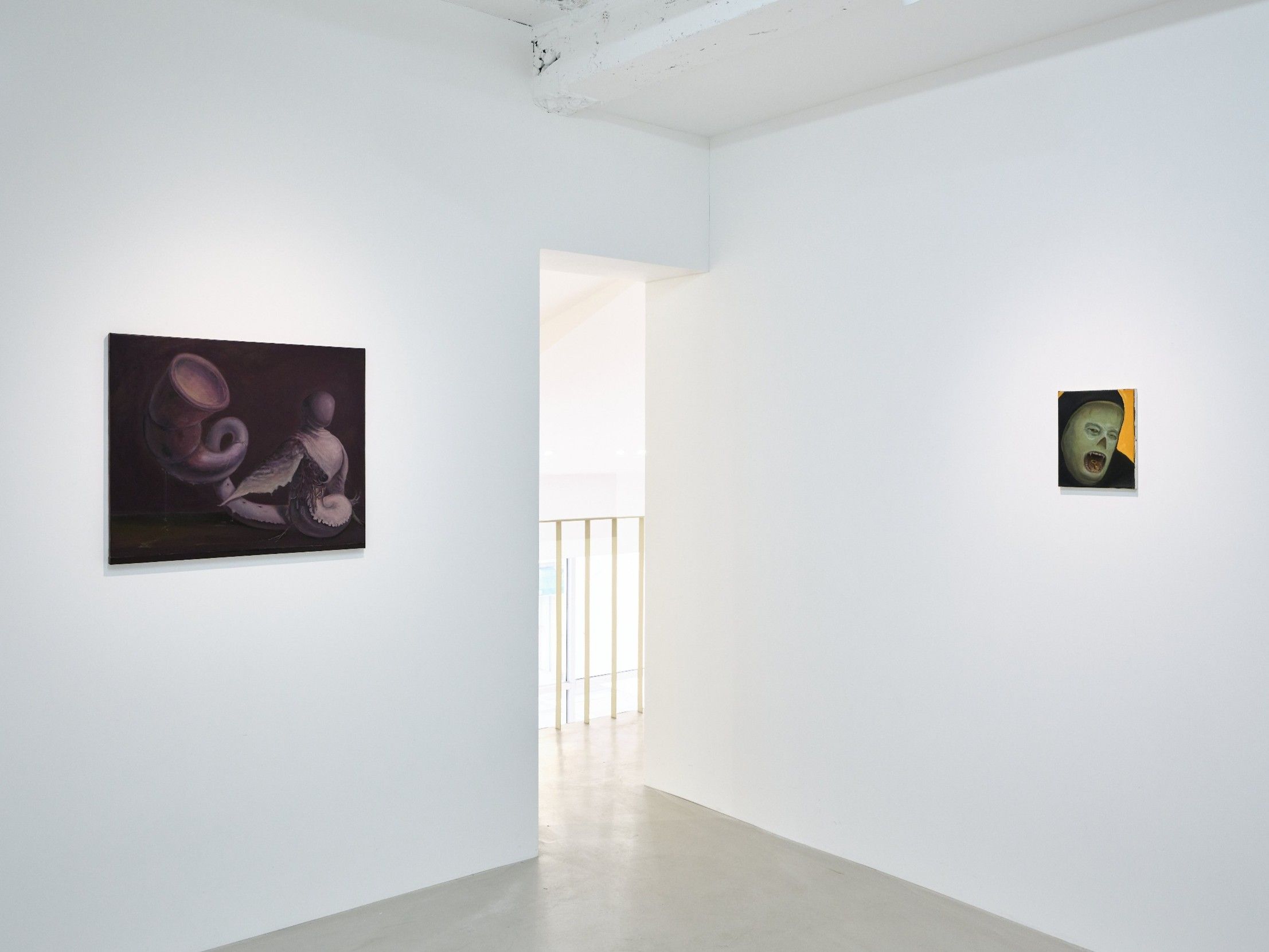
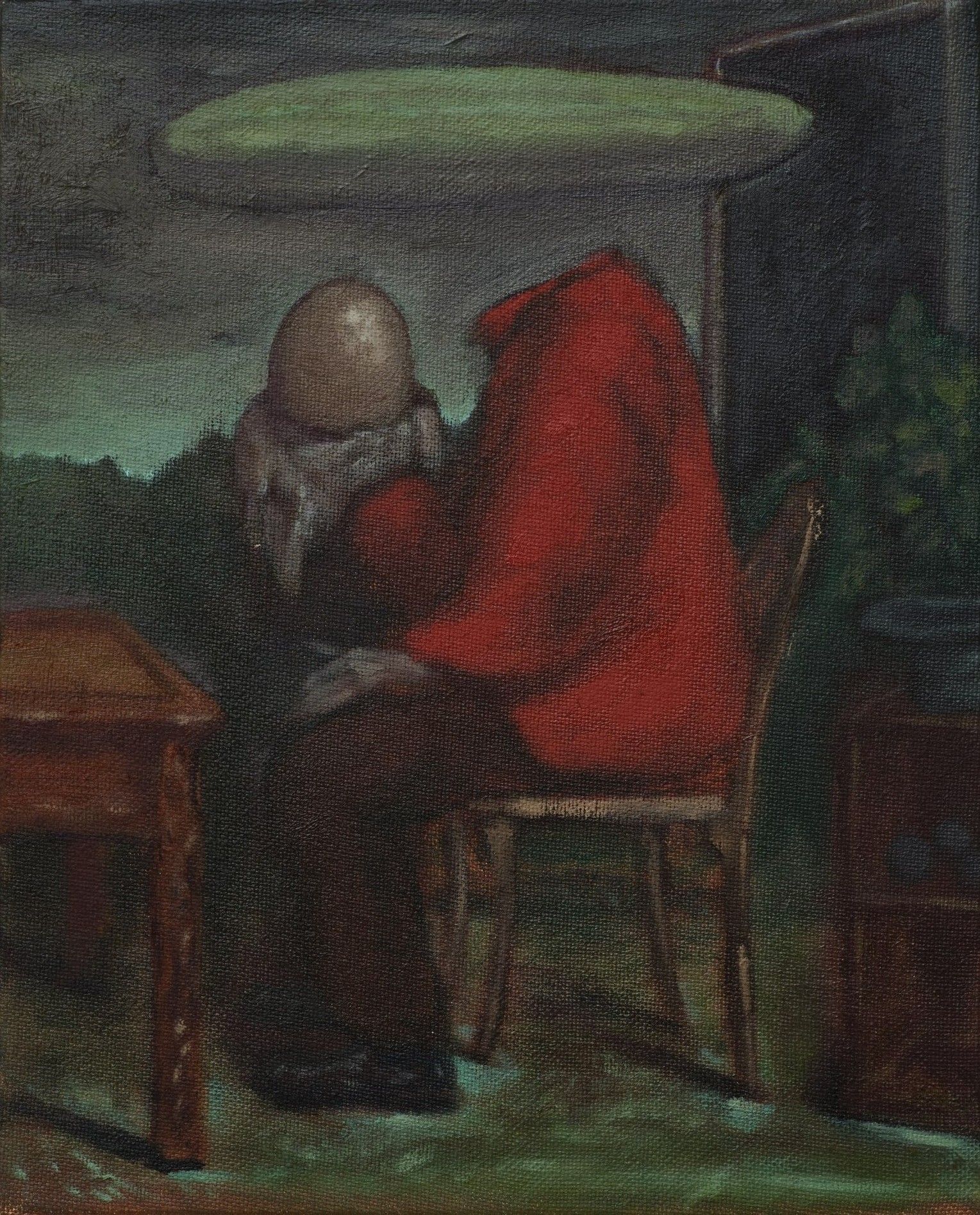
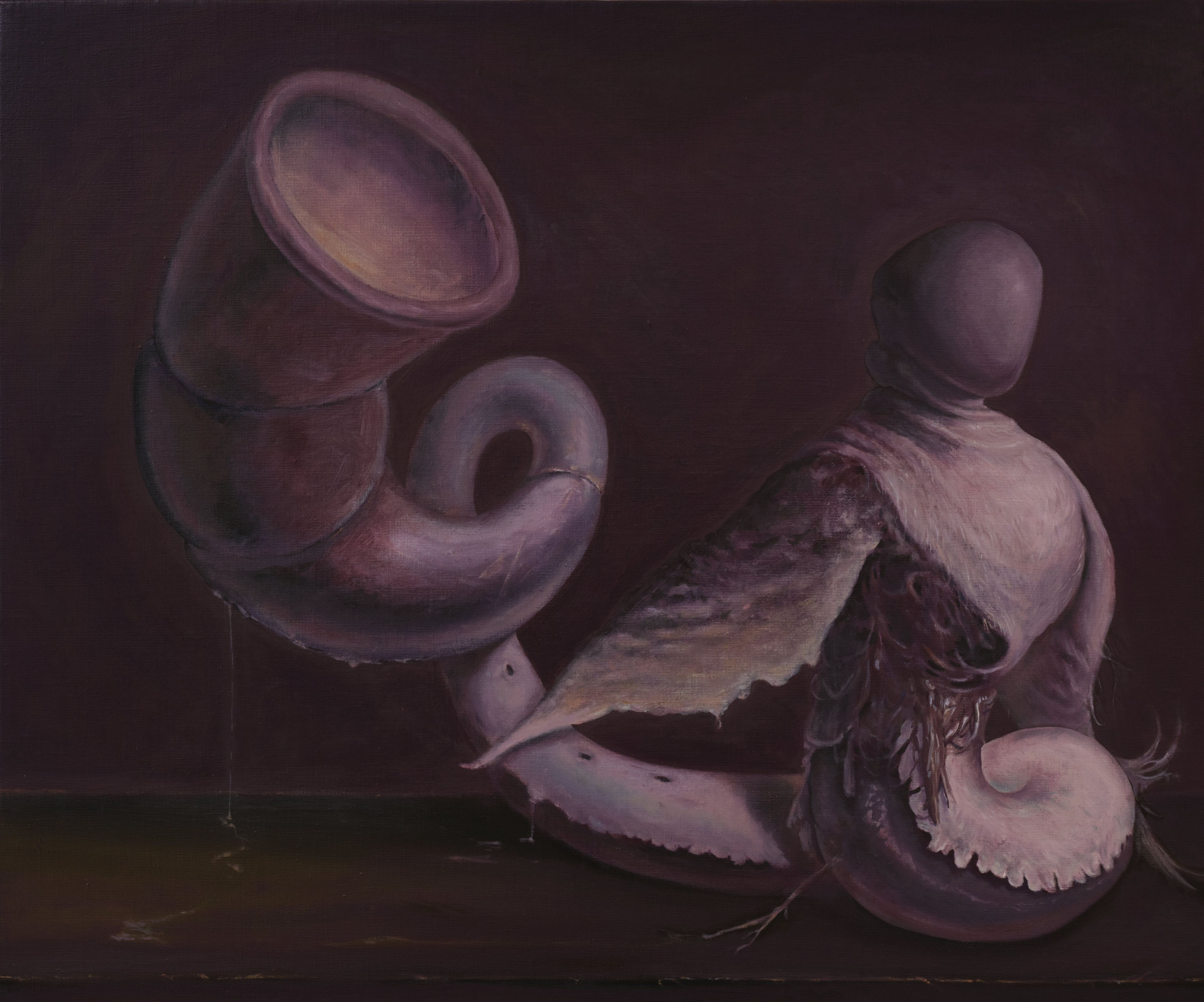
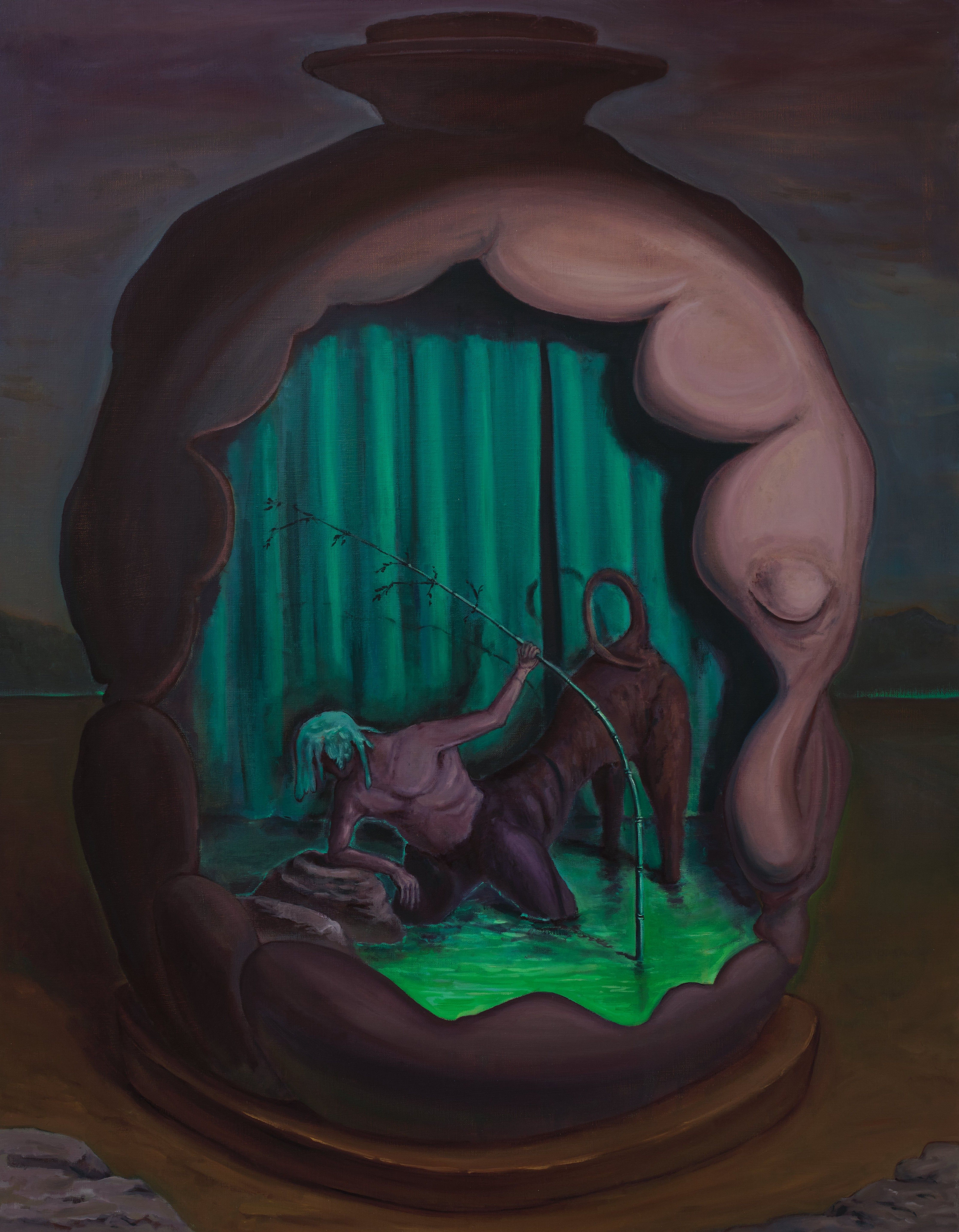
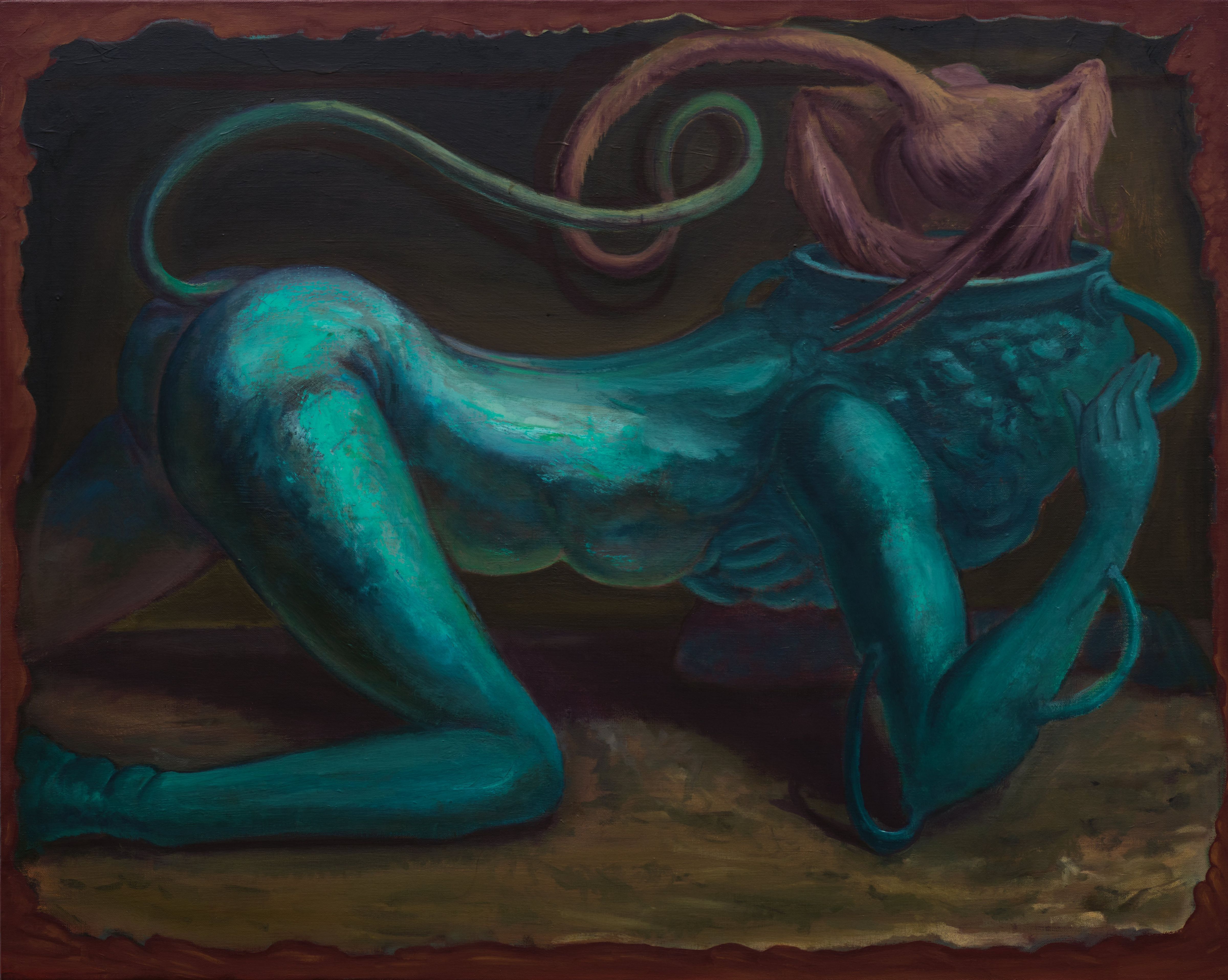
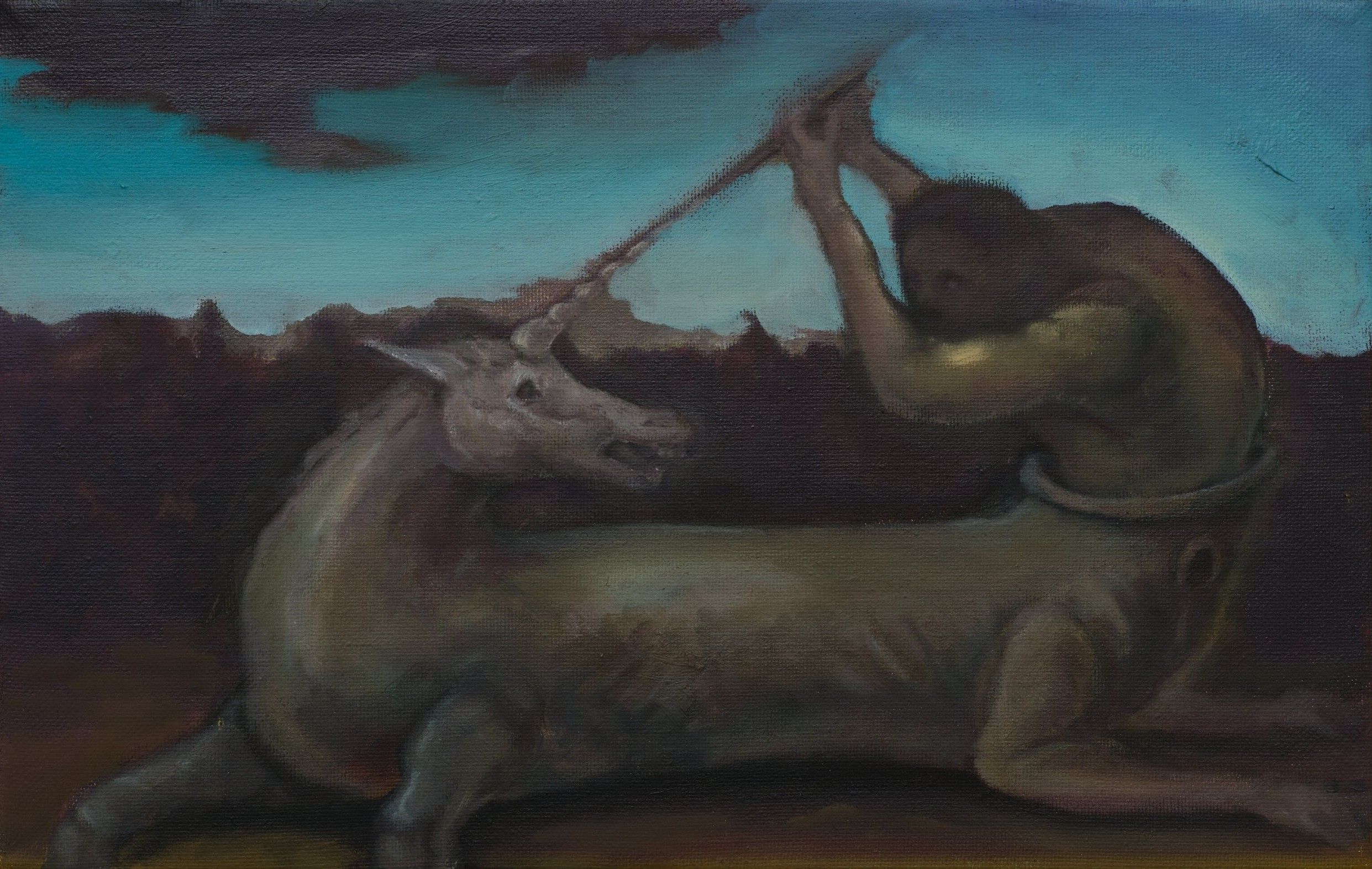
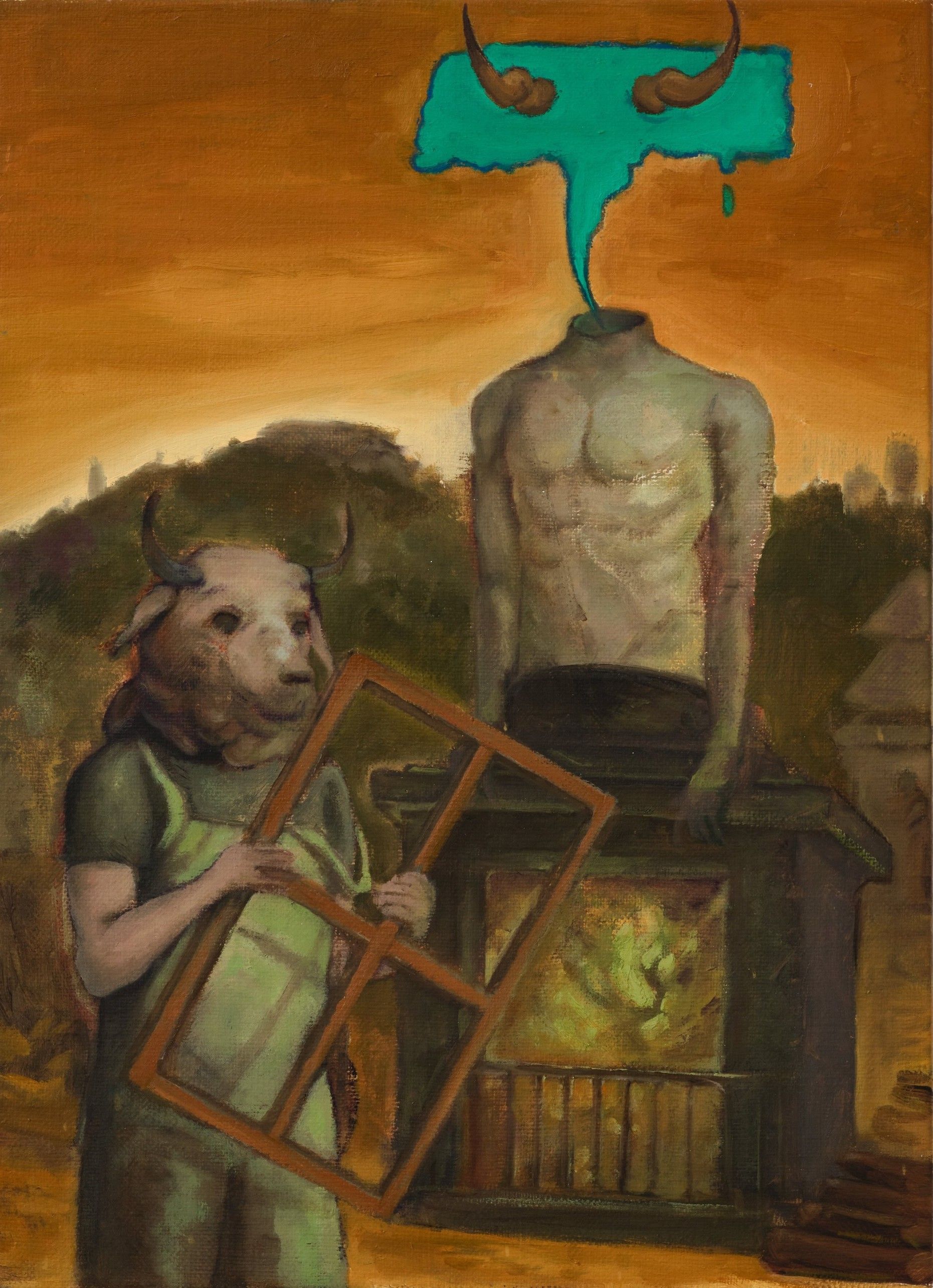
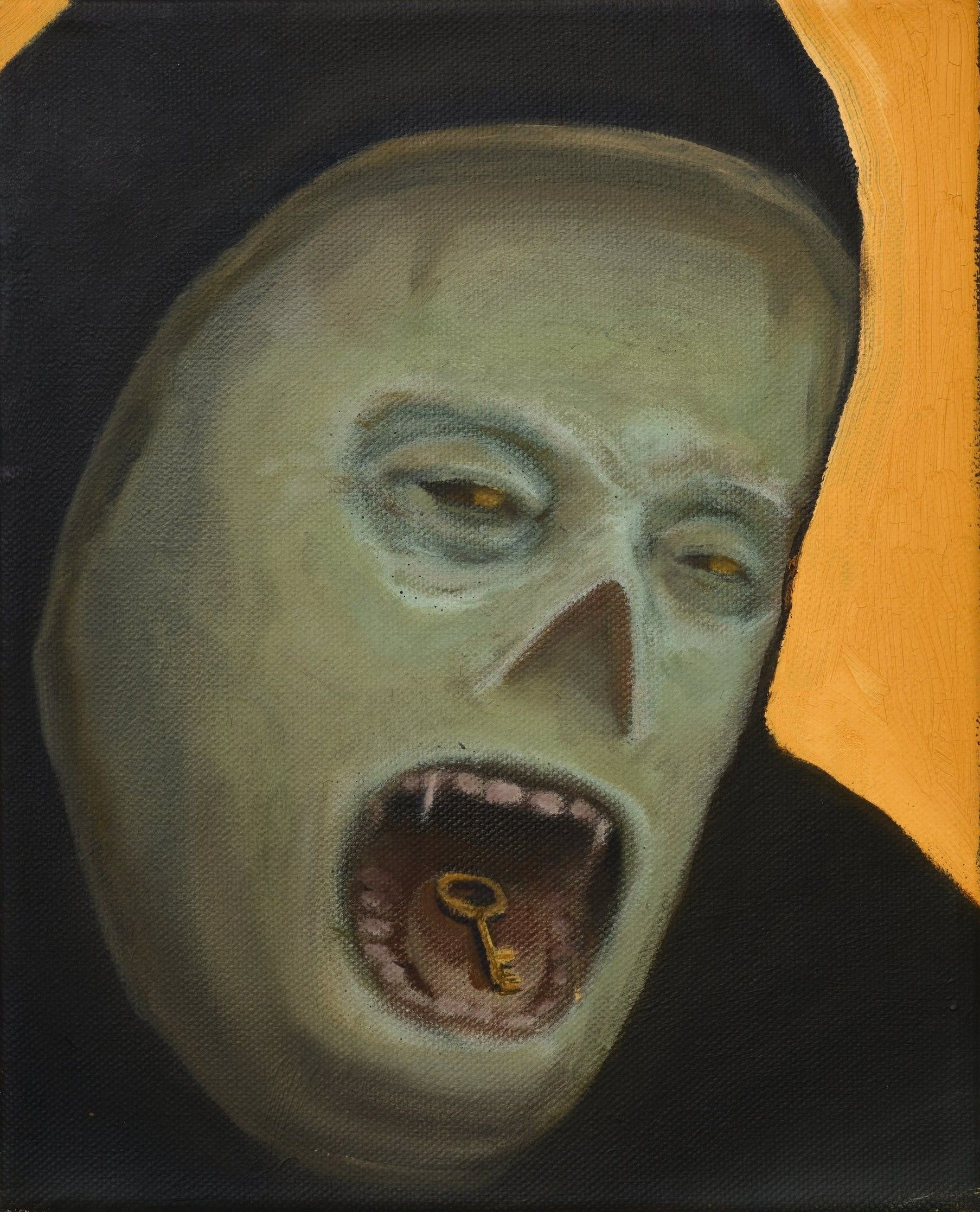
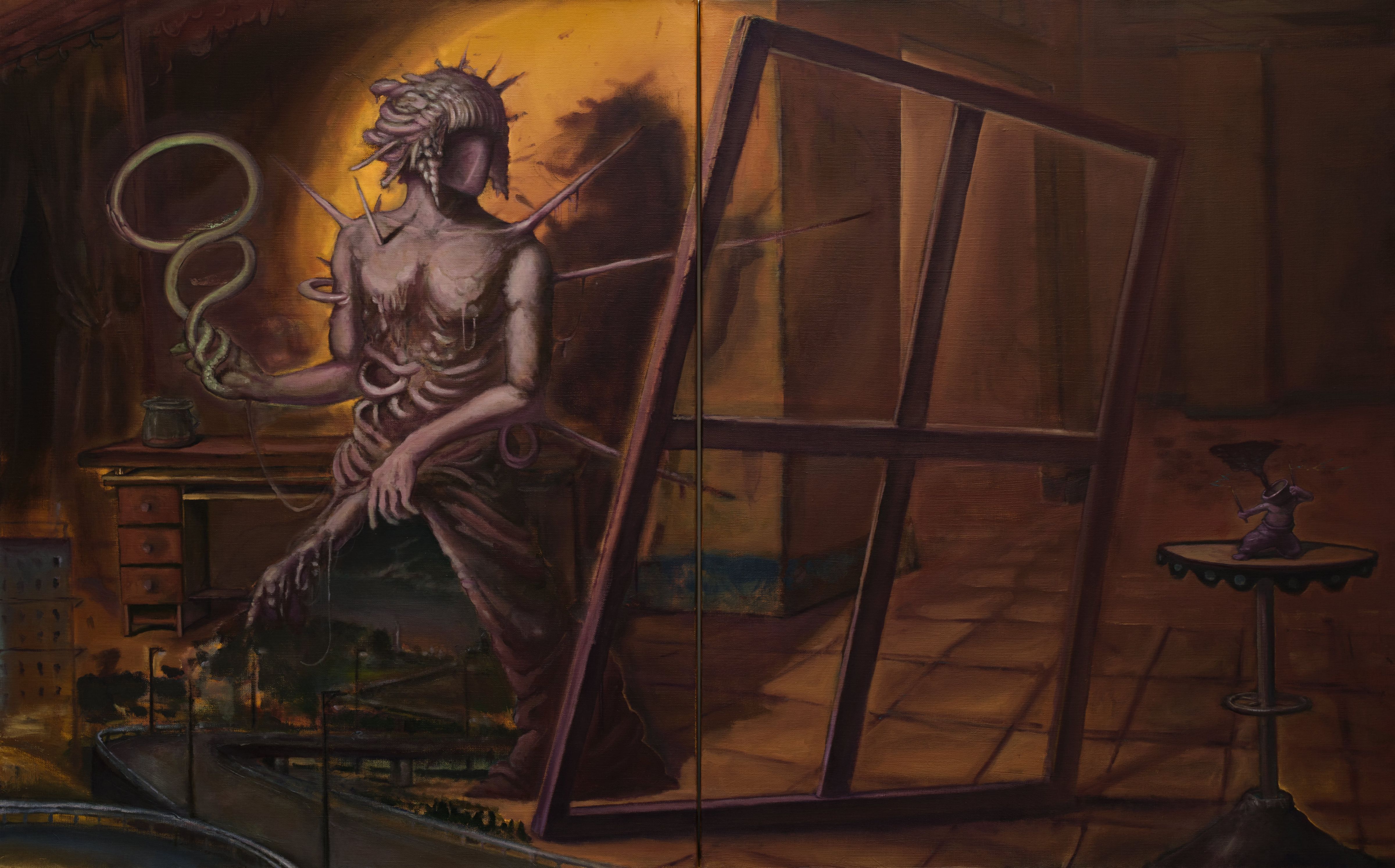
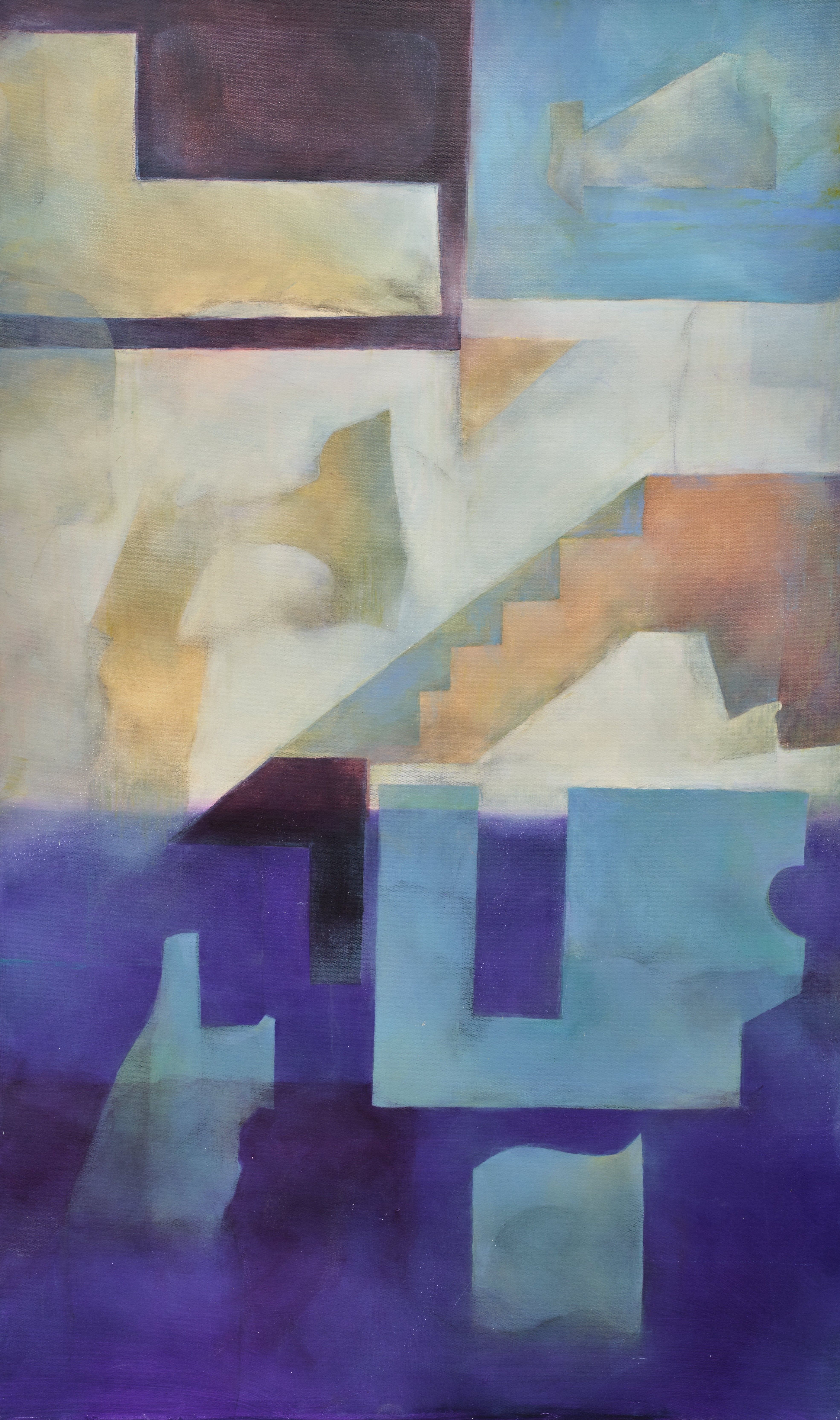
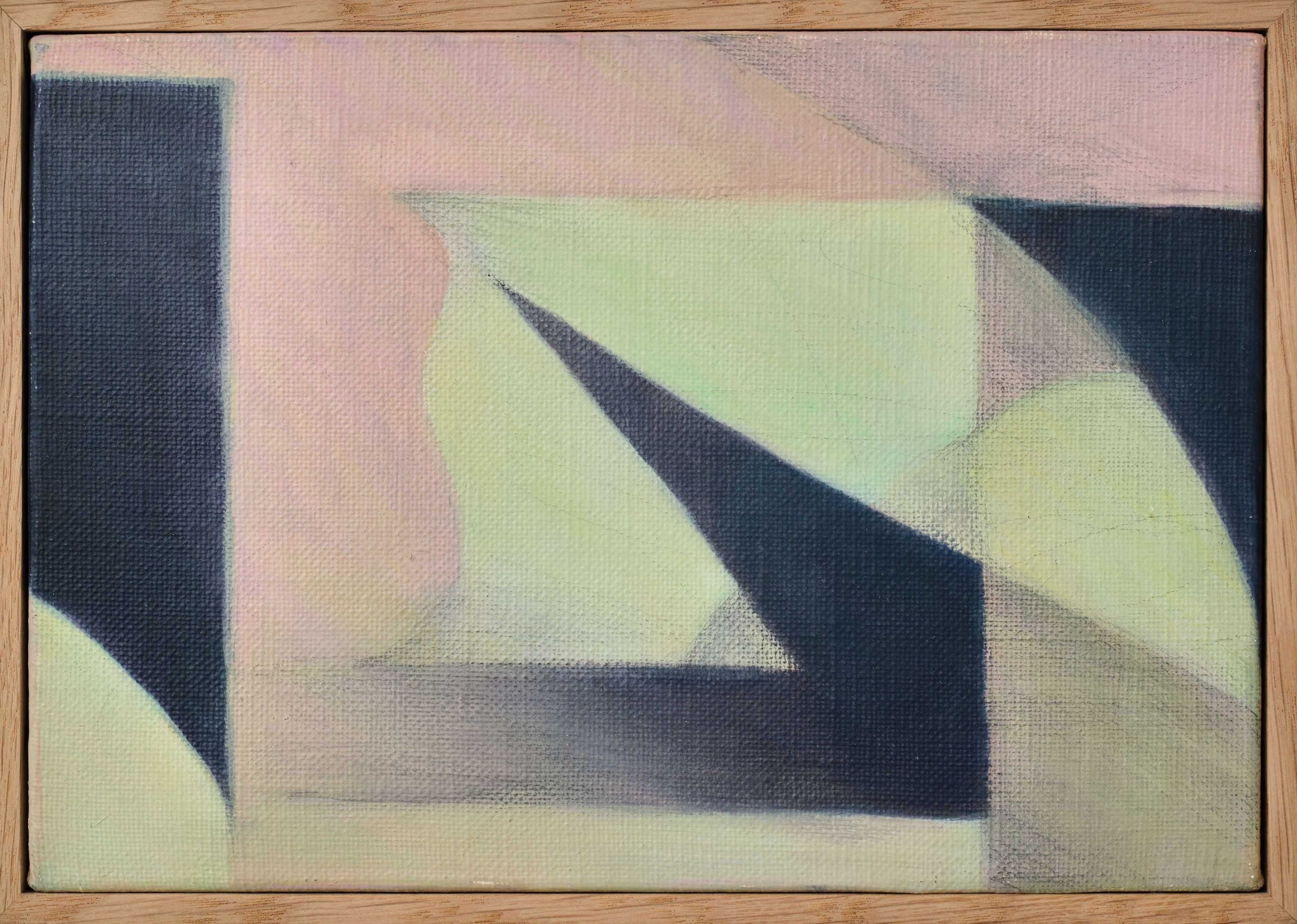
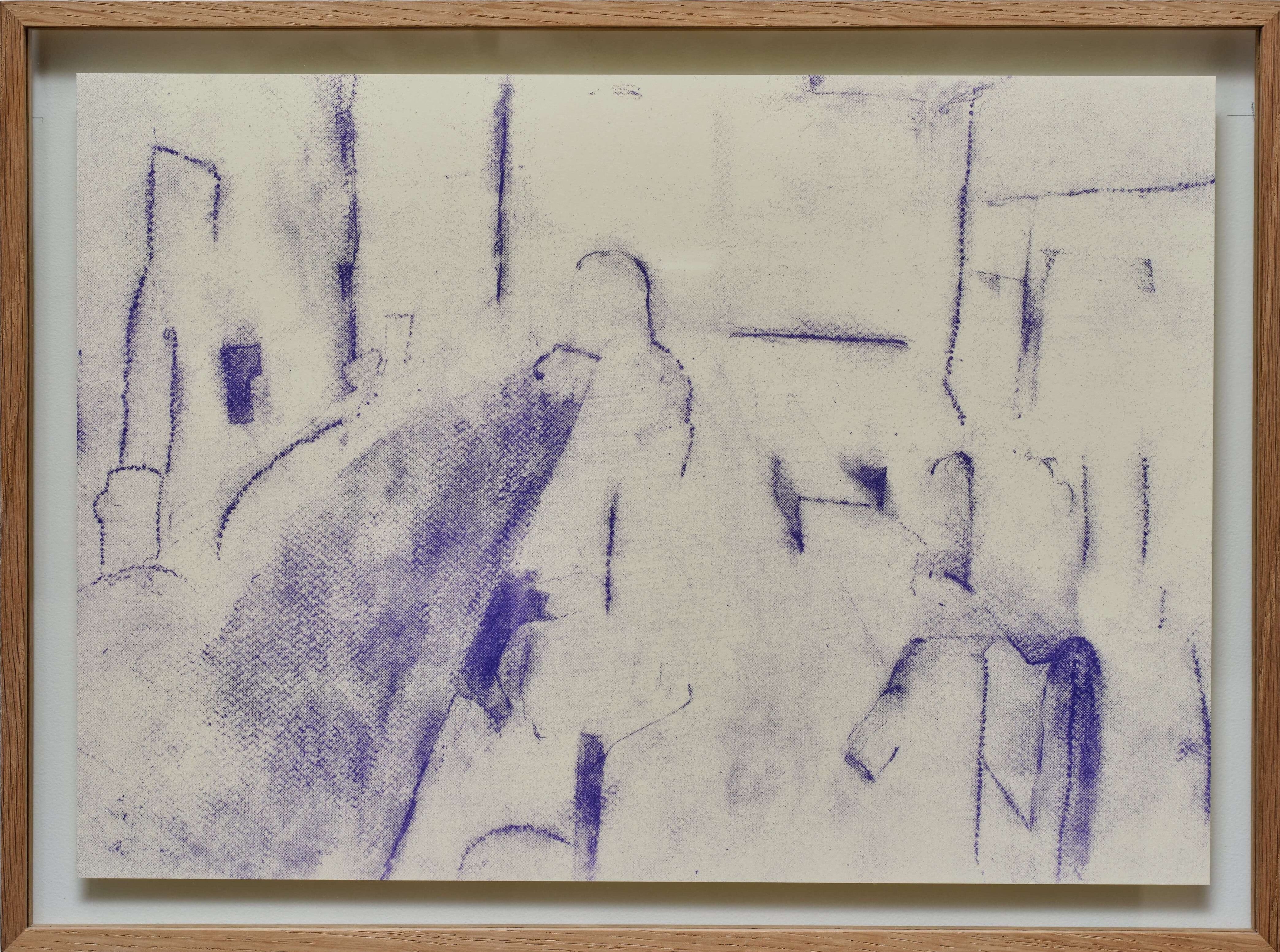
Seokwoo Nam’s paintings, rather than starting from what lies before the eye, take shape from images sourced from within. What concerns Nam is not the conversion of ideas into visible form, but the labor of handling images, turning and working them like clay, thinking through touch. Unreal figures appear in unfamiliar settings that evoke medieval mystery play stages or darkened antique furniture shops, drawing attention to the conditions that surround objects and the quiet pressures they bear. From LOOP to ssireum, the ouroboros recurs in Nam’s paintings, each time taking a different form. The positions of biting and being bitten remain indeterminate, leaving the image suspended in tension. A similar tension surfaces in A Musical Instrument That Can Be Handled (2026). Sitting at the edge of what counts as an instrument, the depicted object resists being fully defined as a melody-making device and instead serves as a means of sensing whether contact can occur.
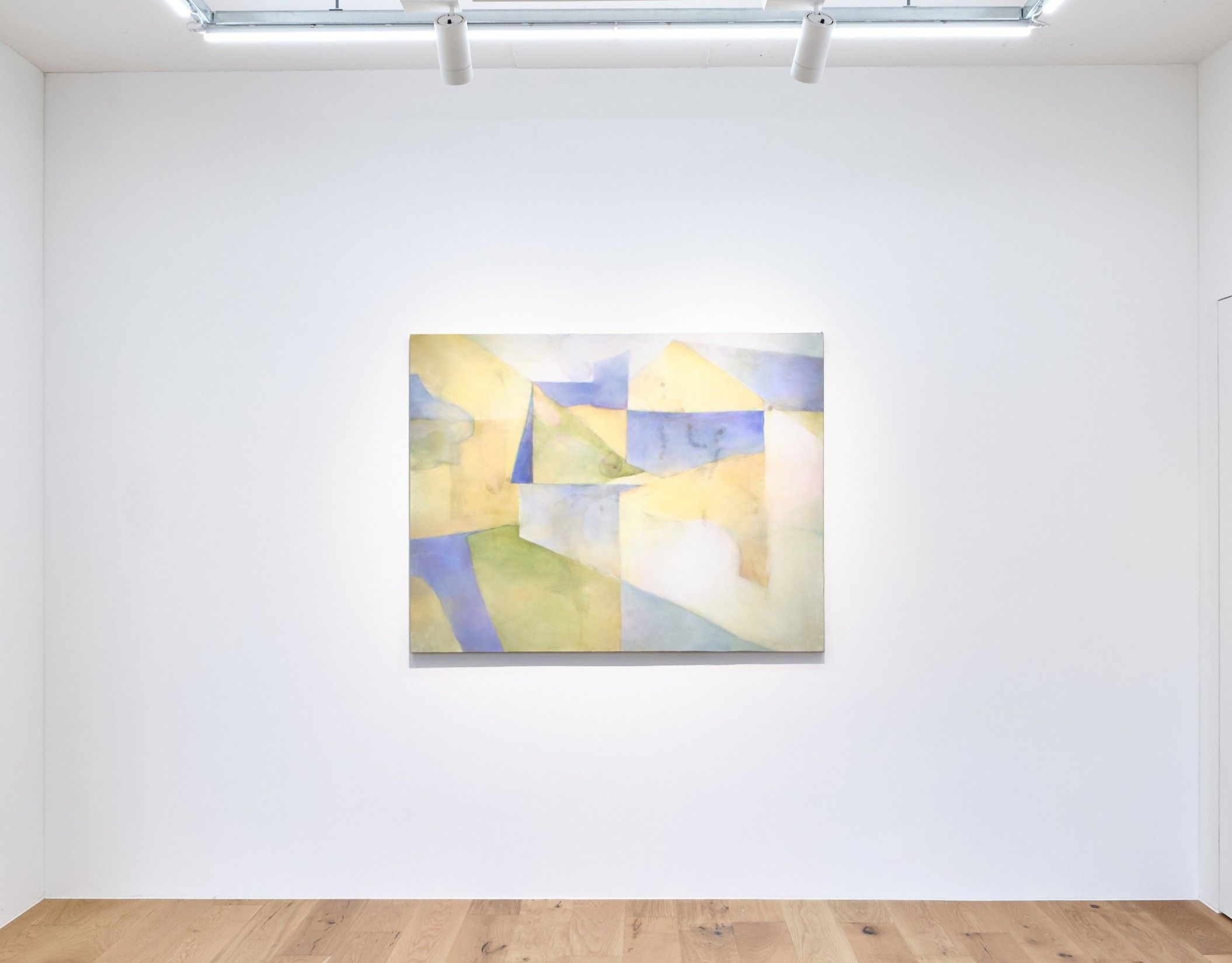
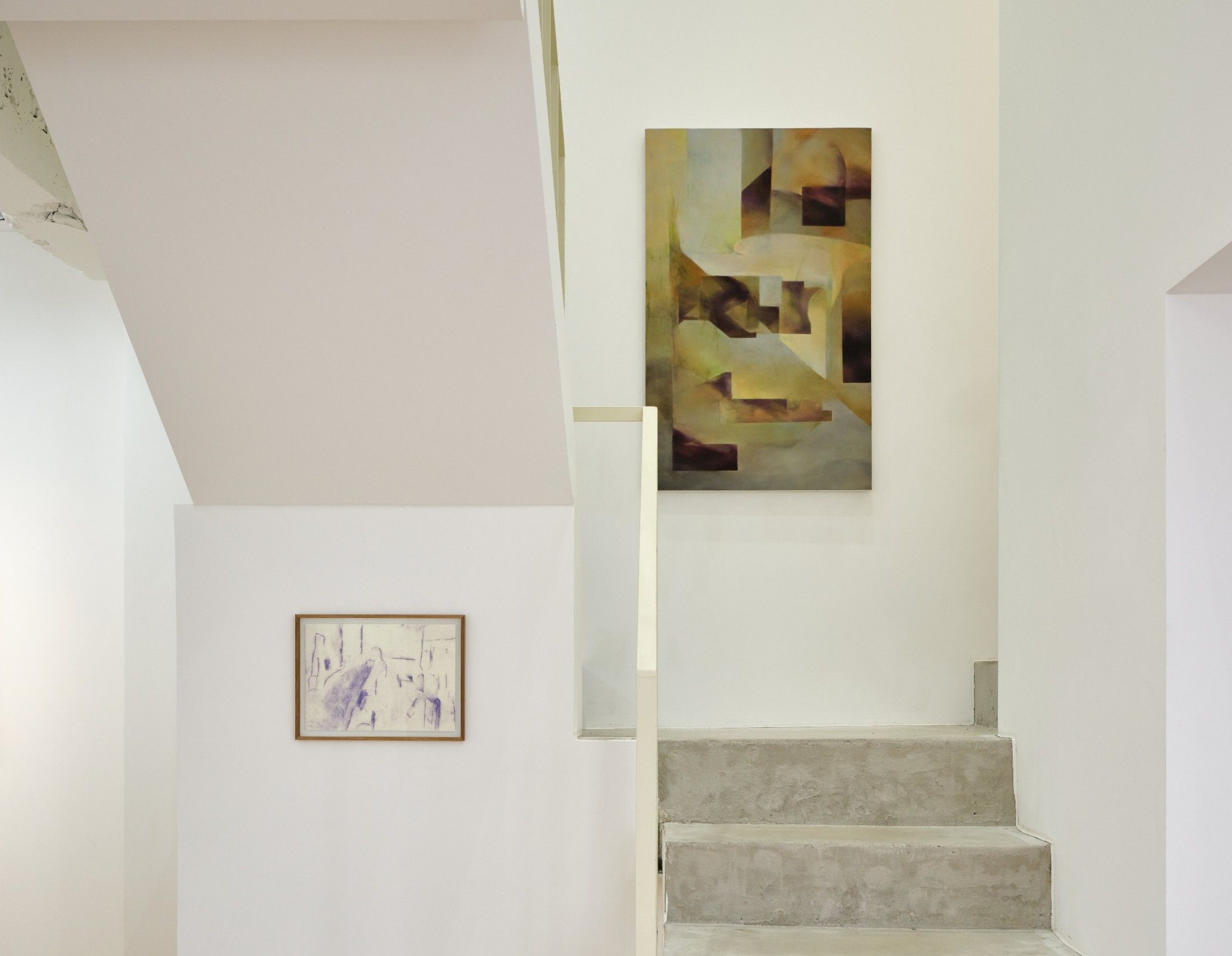
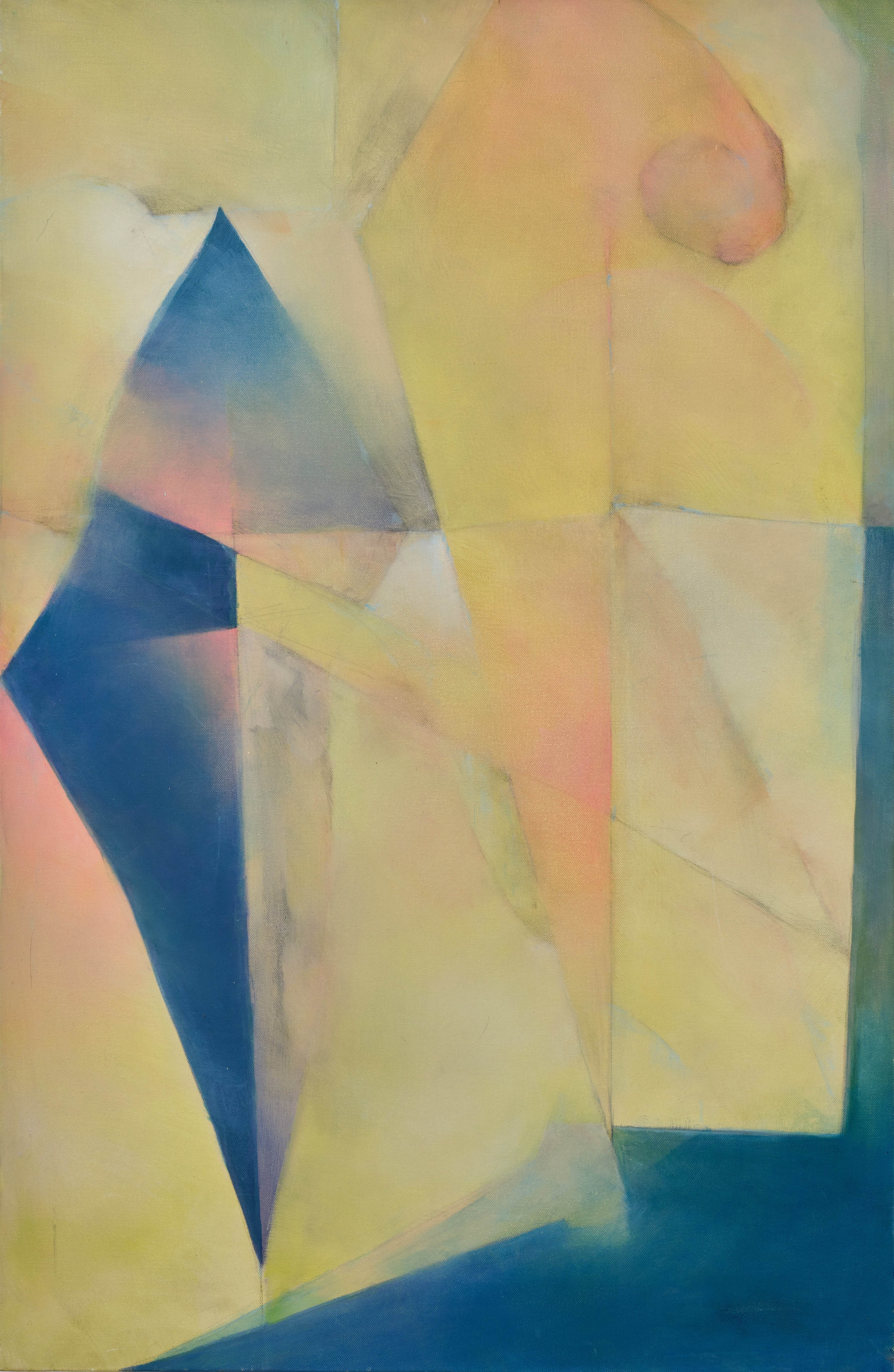
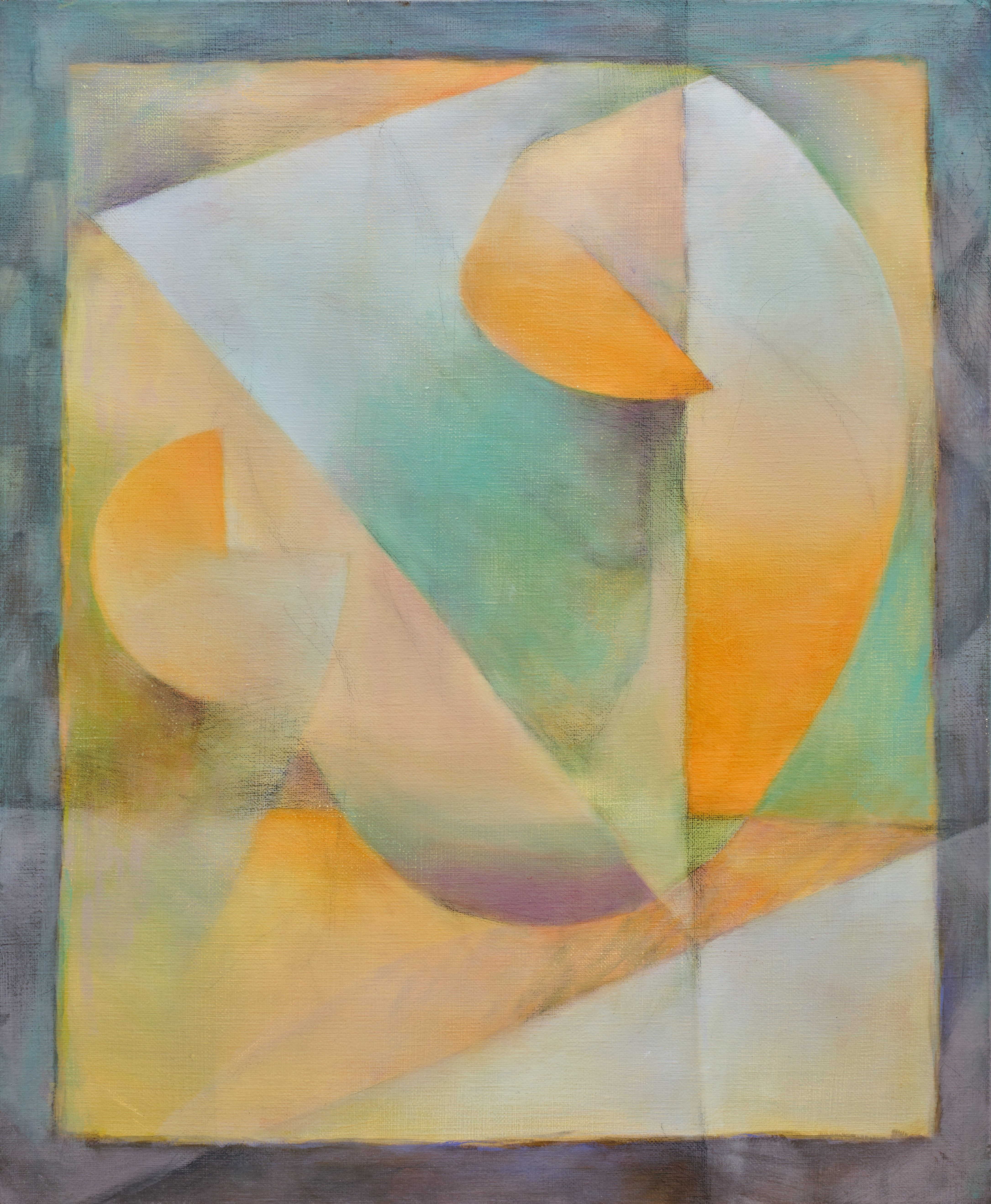
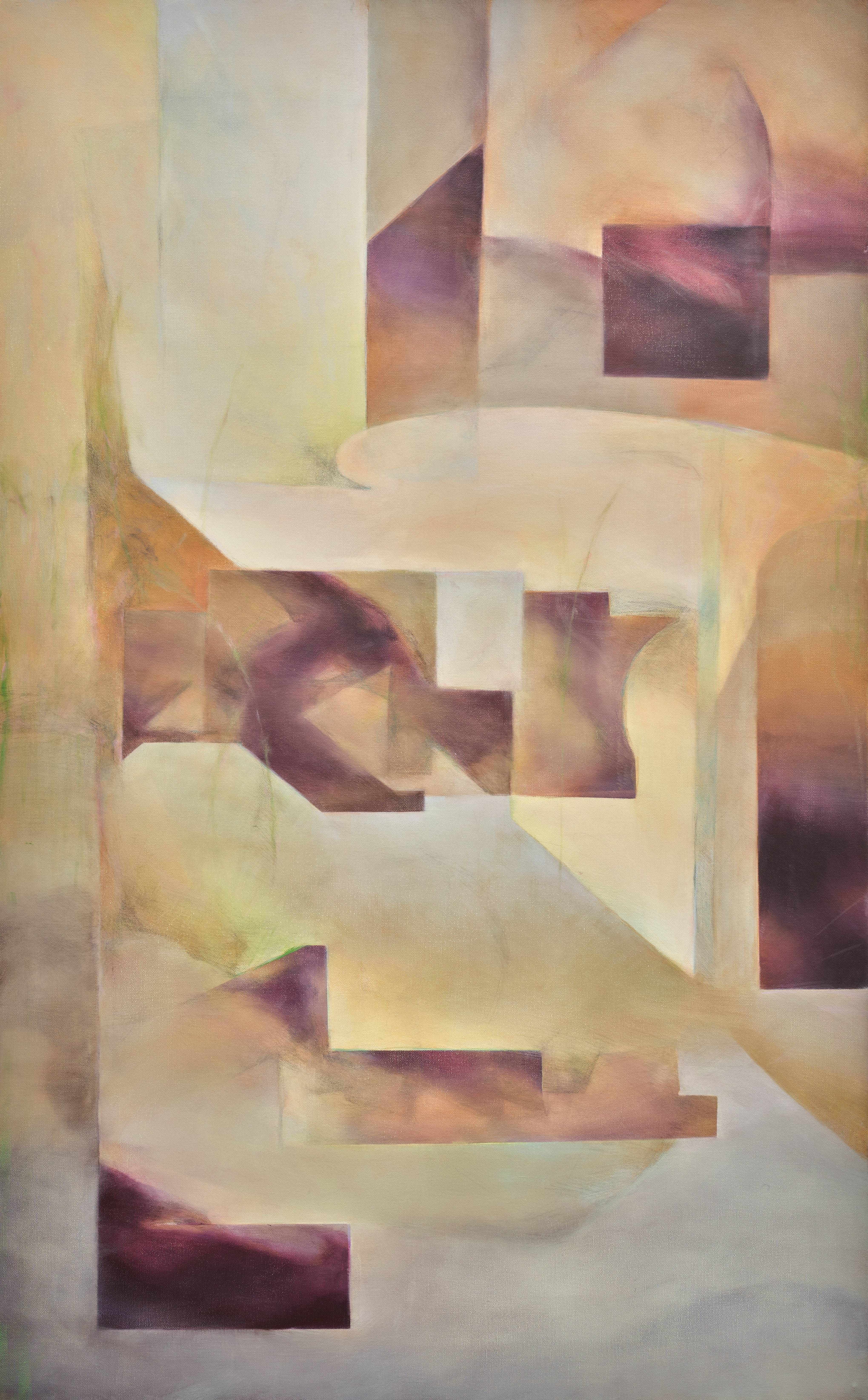
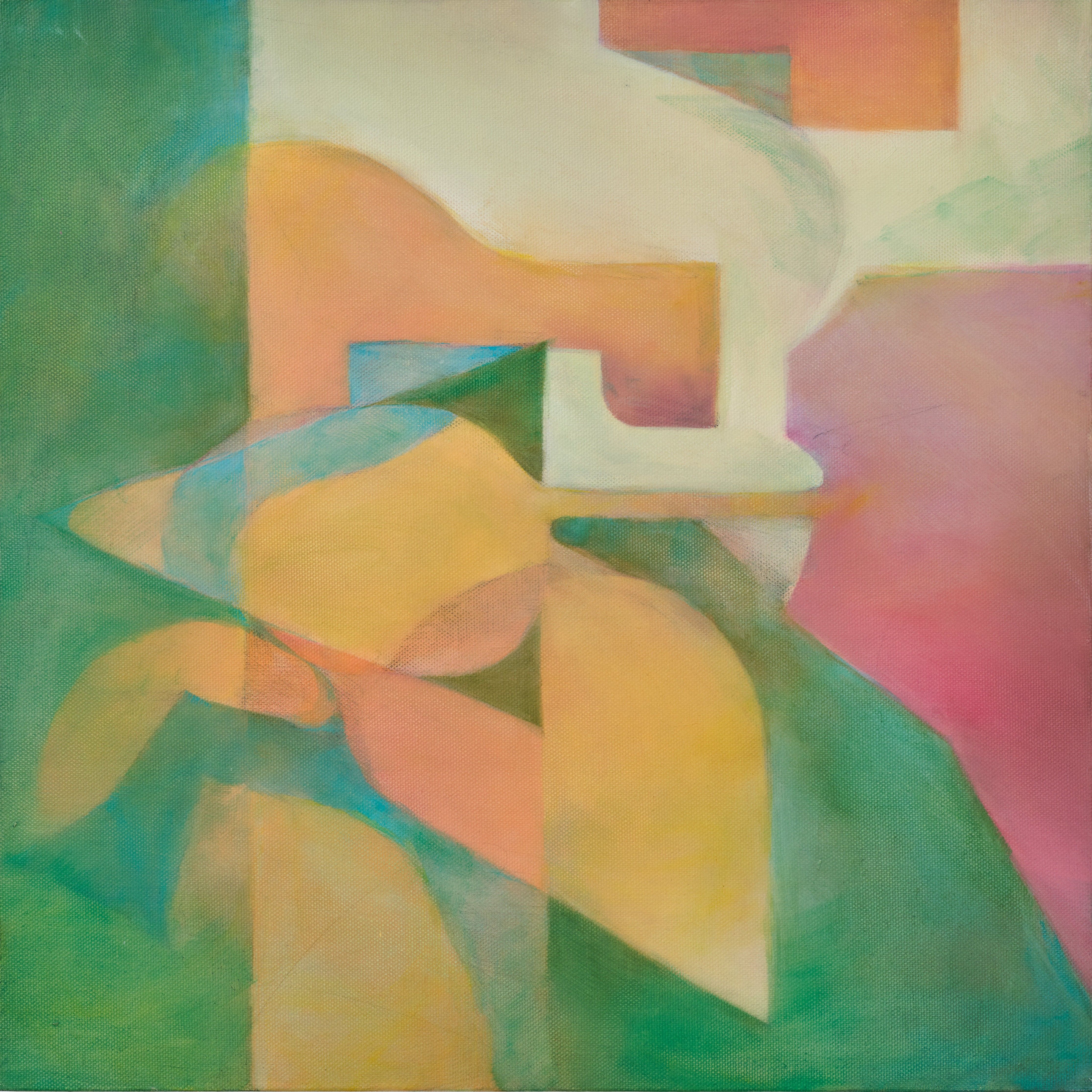
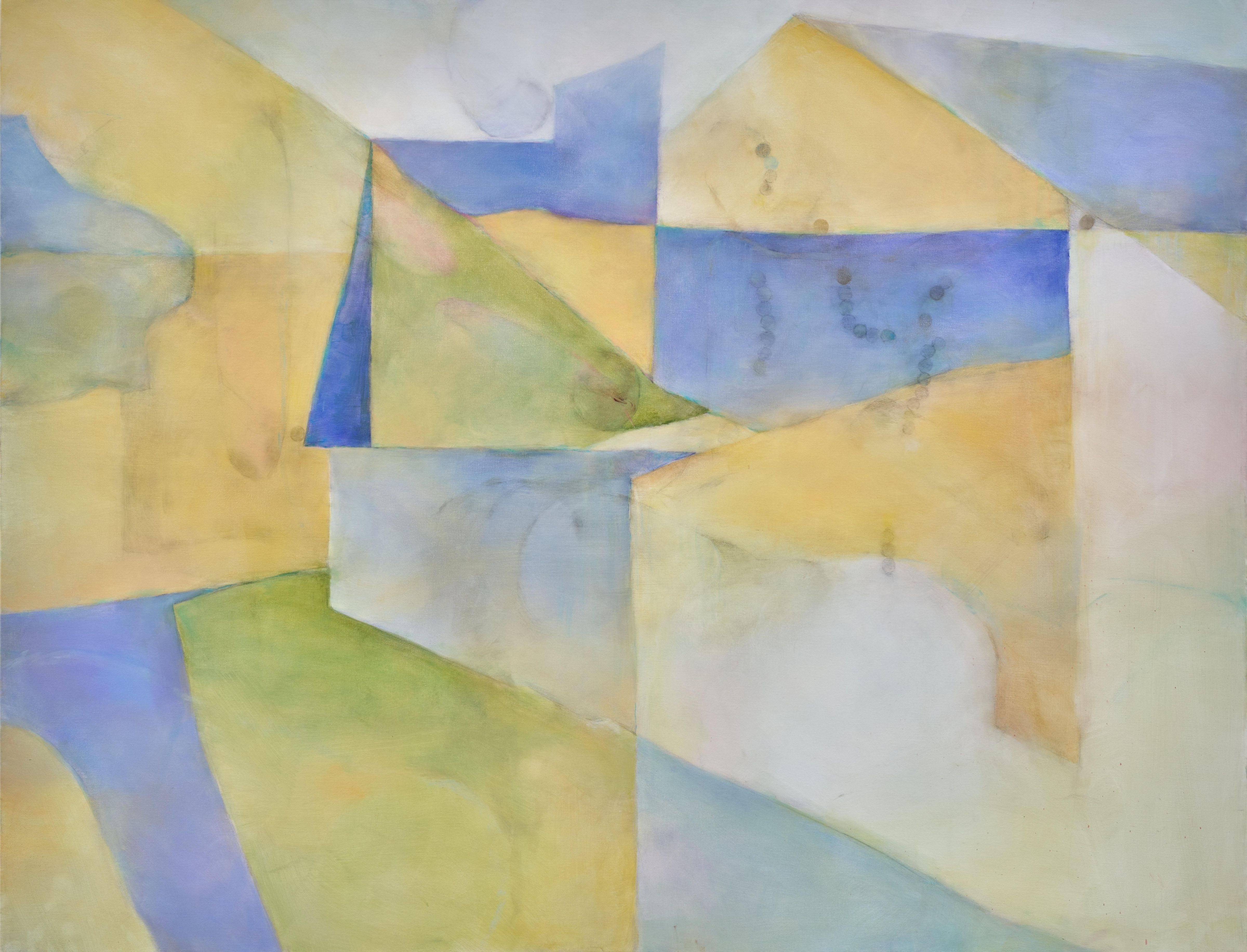
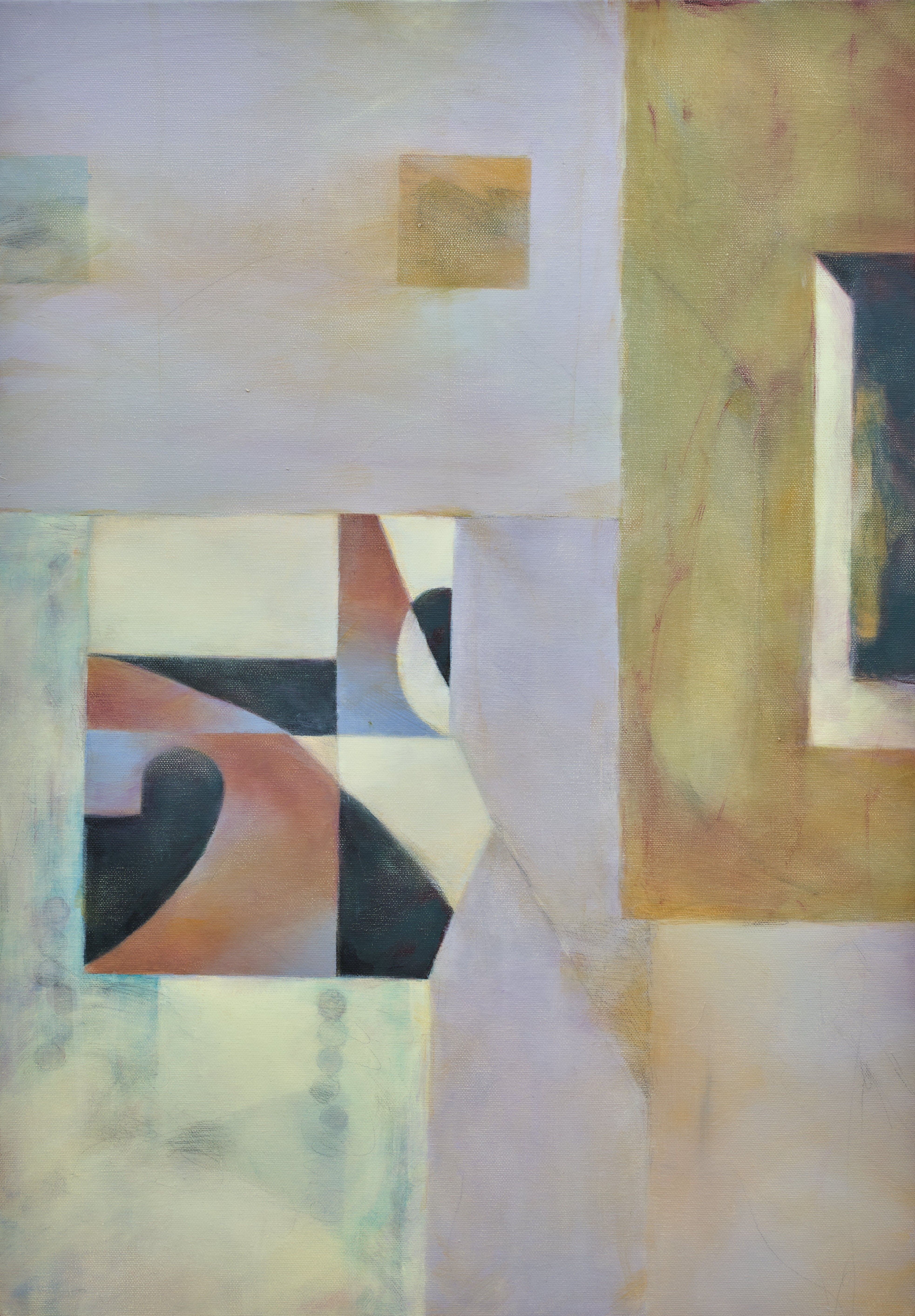
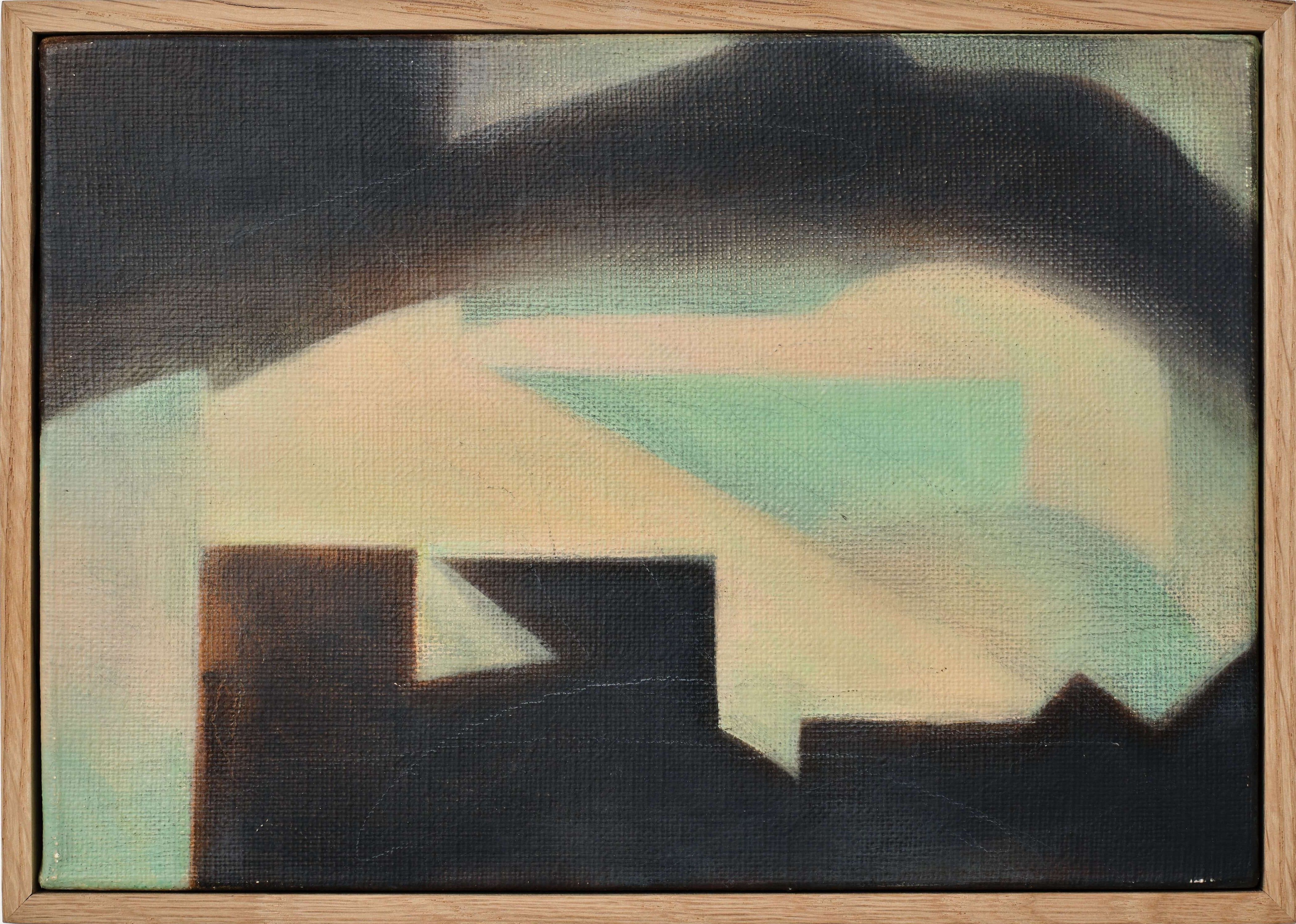
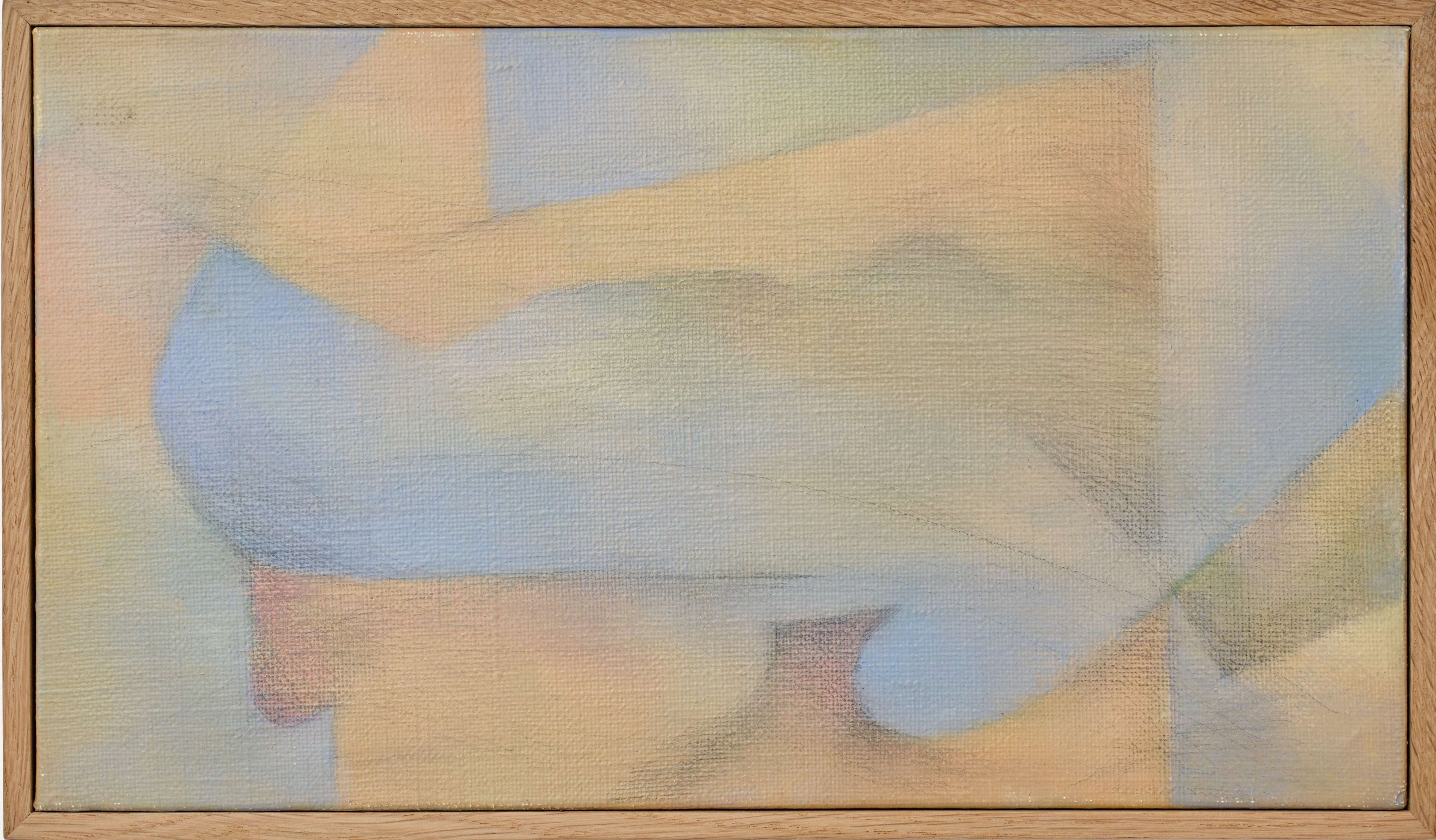
Sihyeon Lee through the articulation of color and plane renders perceptible the invisible layers that underlie human experience. The abstract forms that appear on the canvas are drawn from familiar spaces, yet Lee is not concerned with reproducing forms or pursuing formal inquiry. Rather, the artist attends to the ways in which the ambient layers, lingering traces of interactions, and social rhythms elicit perceptual responses before it surfaces into consciousness. Lee’s paintings explore the non-conscious phase embedded in the act of seeing itself. In ama, what appears as a landscape inflected with abstraction turns out instead to operate as a diagram, mapping perception as it remains in flux with the world. In dagyeong, converging lines and planes orient toward a central vanishing point without enacting perspective, instead revealing how affect organizes itself along the imprints left by objects, events and relations. Graphite lines and sanded abrasions on Lee’s oil-painted surfaces are read not as compositional elements but as indexical marks of perception in action.
For both artists, the canvas is less a window that represents the world than a reflective surface that receives the signals the world sends back. It comes before intervention, assertion, or interpretation, marking a simple check of what is there. Rather than attempting to speak, it functions as an earnest ping, checking whether a connection can be established between the self and the world.
*A command that sends fixed-size, non-signifying data at regular intervals, reading the state of a connection through what returns.
남석우의 회화는 눈앞의 대상보다는 내면의 상에서 출발한다. 작가가 의미를 두는 것은 관념 속 이미지를 눈에 보이는 형상으로 실체화하는 것이 아니라 오히려 그것을 끊임없이 뒤집어 보고 진흙처럼 매만지는 촉각적 과정 자체이다. 중세 유럽의 신비극 무대나 불 꺼진 고가구점 같은 생경한 공간에서 알 수 없는 힘과 사투하는 비현실적 존재들은 대상이 놓인 조건과 그것이 대상에 가하는 소리 없는 압박을 의식하게 한다. 〈루프〉에서부터 〈씨름〉까지 남석우의 화면에서 거듭해서 등장하는 이른바 우로보로스 형상은 매번 새로운 모습을 하고 있지만, 무는 쪽과 물리는 쪽이 언제나 불분명하다는 점에서 관계가 성립되는 방식보다는 일체의 관계가 맺어지기 이전의 긴장을 지속시키는데 작가의 관심이 있음을 암시한다. 악기인 것과 악기 아닌 것의 경계에 있는 〈다룰 수 있는 악기〉(2026) 속 오브제가 멜로디를 생산하는 도구라기보다 외부와의 소통 가능성을 가늠하는 매개로 도입되는 것과 비슷한 맥락이다.
이시현은 색과 면의 분절을 통해 인간을 이루는 보이지 않는 층위를 시각화한다. 캔버스에 나타나는 추상적 형태들은 일상 공간에서 추출한 것이지만, 이는 형태를 재현하거나 조형적으로 탐구하기 위한 것이 아니다. 작가는 공간을 이루고 있는 공기층, 관계와 사건의 잔향, 사회적 리듬 등이 의식의 문턱에 이르기 전 감각의 반응을 일으키는 현상에 주목한다. 요컨대 이시현의 회화는 ‘보는’ 행위에 품겨져 있는 비의식적 (non-conscious) 국면을 탐색하는 것이다. 추상성을 가미한 풍경화처럼 보이는 〈아마〉는 외부 세계에 감응하며 끊임없이 재배치되는 지각의 짜임새를 드러내는 일종의 도면에 가까우며, 화면 중앙의 소실점을 향해 수렴하는 〈다경〉의 선과 면들은 원근법의 적용이 아니라 사물과 사건, 관계들이 머물다 간 흔적을 따라 정동이 배열되고 조직되는 방식을 가시화한 것으로 보인다. 유화의 표면 위로 지나간 흑연의 선이나 사포로 비빈 마모 자국은 이미지를 구성하는 조형적 요소라기보다 지각이 작동하며 남긴 물리적 각인으로 읽힌다.
두 작가에게 캔버스는 세상을 재현하는 창이라기보다 세상이 돌려보내는 신호를 받는 반사판에 비유될 법하다. 이는 어떤 개입이나 주장, 혹은 해석을 행하기에 앞서, 일단 ‘거기 무엇이 있는지’를 확인하고자 하는 일종의 출발선 긋기와 같다. 무엇을 말하려 하기보다, 지금 이 순간 나와 세계 사이에 회선이 놓일 수 있을 것인가 체크하는 성실한 안부 확인, 여기에 핑의 울림이 있다.
* 일정한 크기를 가진 의미 없는 자료를 일정한 시간 간격으로 보내 되돌아오는 상태를 보고 회선 상태를 관찰하는 명령어.
Seokwoo NAM(b.1997) graduated Chosun University (Gwangju) with B.F.A in Painting. He has held solo exhibition at U·Square kumho gallery (2023, Gwangju). He has staged and participated in various group exhibitions at Gwangju Museum of Art (2024, Gwangju), Ark art gallery (2023, Gwangju), Sansussari (2023, Gwangju), and more.
남석우(b.1997)은 조선대학교 미술대학 회화학과 서양화과를 졸업했다. 개인전으로는 유스퀘어-문화관 금호갤러리 (2023, 광주)에서 가졌고 광주시립미술관 하정웅 분관 (2024, 광주), 아크갤러리 (2023, 광주), 산수싸리 (2023, 광주) 등에서 그룹전을 가졌다.CV
Sihyeon Lee (b.2003) obtained a BA in painting at Hongik University.
이시현(b.2003)은 홍익대학교 회화과를 졸업했다.